Morocco launches CBD poultry feed study as an antibiotic alternative
Update: Jan 03, 2026 - 13:19 (GMT+7)


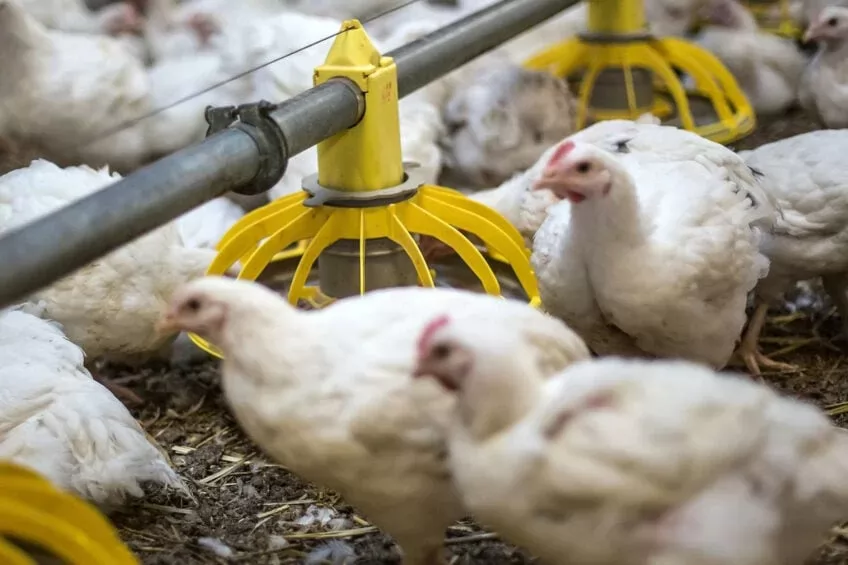
(VAN) The National Agency for the Regulation of Cannabis-Related Activities has signed an agreement with Hassan II Agricultural and Veterinary Institute.
(VAN) The National Agency for the Regulation of Cannabis-Related Activities has signed an agreement with Hassan II Agricultural and Veterinary Institute.
The agreement gives the scientists a green light to analyse the effects of cannabidiol (CBD) on immune activity and antimicrobial protection in poultry. Over the next 10 months, the scientists will be required to prepare a poultry feed formulation involving CBD that will be ready for industrial use, the agency said in a statement.
According to the state regulator, the initiative aims to facilitate the Moroccan poultry industry’s transition away from the use of feed antibiotics. “Upon completion of this programme, the research team will need to confirm the scientific data that would establish CBD as an effective alternative to growth-stimulating antibiotics, thereby contributing to increased,” the agency said.
In addition, under the agreement, the scientists will be tasked with assessing the economic aspects of switching to CBD-based feed additives, including calculating production costs and their impact on farms’ business profitability.
Expanding production
The Moroccan poultry market is on the rise, projected to expand by nearly 20% through 2030, as calculated by think tank Mordor Intelligence.
Robust domestic demand, supportive government programmes, and Morocco’s gateway location between Europe and West Africa underpin expansion. Rising disposable incomes, expanding urban populations, and a steady shift toward protein-rich diets are driving higher per-capita consumption of chicken and eggs, analysts stated.
The use of feed antibiotics is strictly regulated in Morocco, requiring authorisation from the National Office for Sanitary Safety of Food Products, specifying which animals they can treat and with limits, with some used for specific farm animals. Moroccan authorities also aim to control overall use and monitor residues to ensure food safety.
Not the first study
Morocco is not the first country where the potential impact of cannabis on poultry feeding is being researched. In 2022, a group of scientists from Chiang Mai University in Thailand also ran a series of trials on the use of cannabis in feeding broilers. Birds that were fed cannabis had lower mortality rates and achieved superior body mass, with increased levels of protein, fat, and moisture in the meat, leading to this method of organic bird farming yielding higher profits.
HD / PW
Maybe you are interested


Trà Vinh expands lucrative high - tech shrimp farming
TRÀ VINH - The Cửu Long (Mekong) Delta province of Trà Vinh is encouraging farmers in coastal areas to expand high - tech shrimp breeding by using super - intensive farming since the model is sustainable and offers high profits, according to the province's Department of Agriculture and Rural Development.
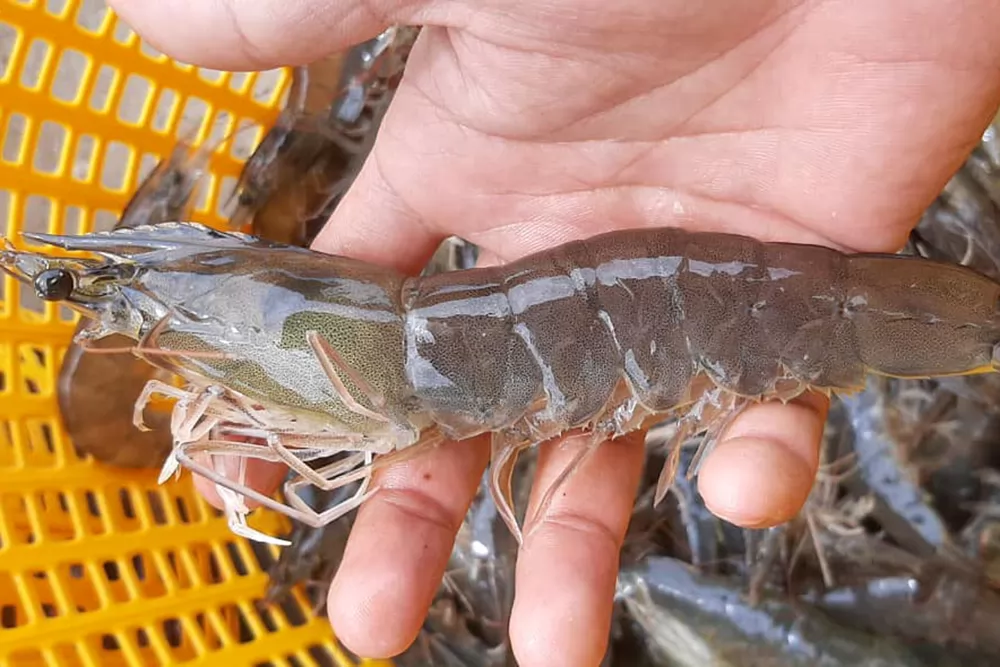
How will Vietnamese shrimp exports be in the last months of the year?
(VAN) Shrimp is Vietnam's seafood with the largest export value. However, shrimp exports suffered the strongest decline in the first half of this year. What about exports in the last six months of the year?
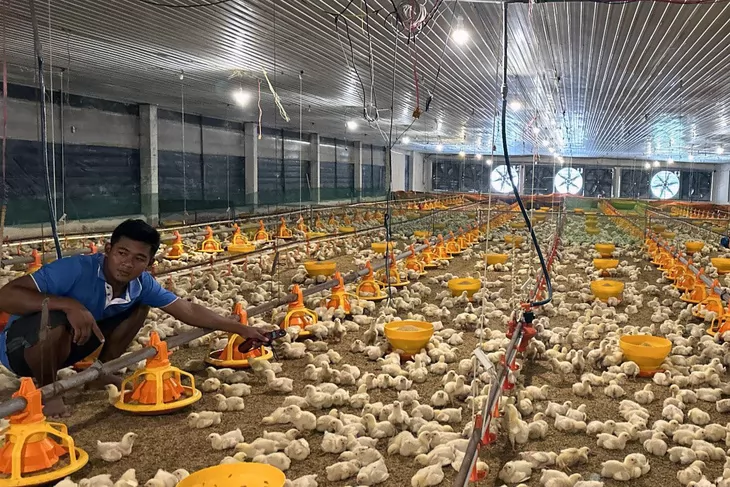
Vietnam chicken farming sector grapples with surge in imports
Many chicken farmers in Vietnam have suffered losses over the past three years and are on the verge of bankruptcy due to high imports.