Tay Ninh expands technology application in livestock farming
Update: May 30, 2026 - 15:57 (GMT+7)


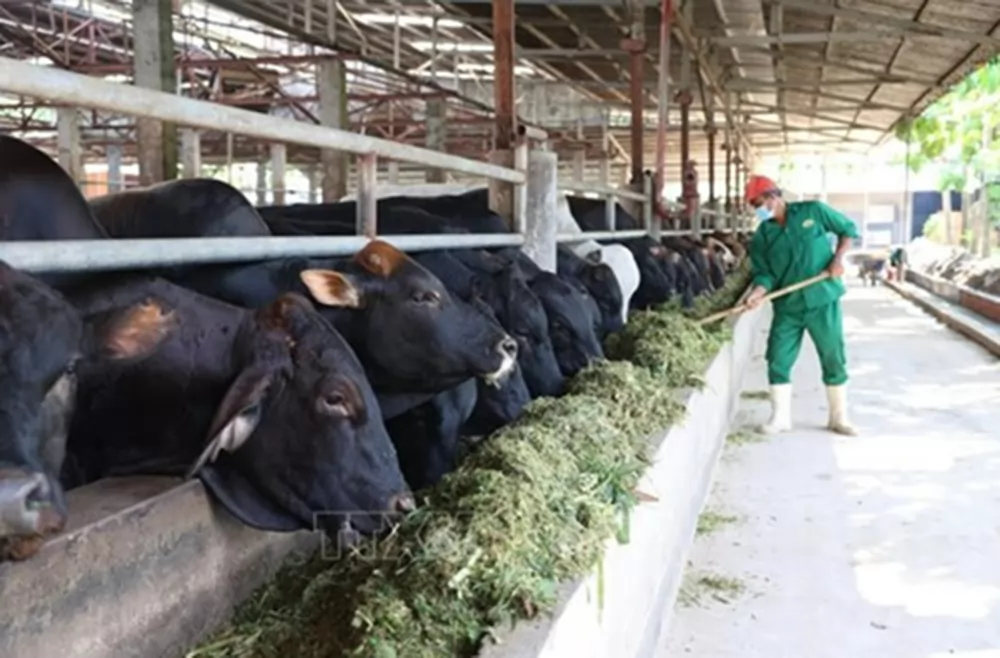
All new farms are required to implement modern technologies, including automated systems for lighting, temperature, and feeding.
Tay Ninh province has for years followed a strategy for developing high-tech agriculture, especially in the field of green livestock farming, with a vision to become the southern region’s hi-tech husbandry center.
This move has proved effective as Vietnam’s livestock sector is facing increasing pressure from international markets with stricter requirements related to food safety and traceability.
The shift towards large-scale, technology-based farming in Tay Ninh was catalyzed by lessons learned from the limitations of traditional small-scale models.
Recognizing the need for innovation, several Vietnamese enterprises have partnered with global agricultural giants to apply advanced technologies into local farming. Among the most notable is the strategic partnership between Vietnam’s Hung Nhon Group and De Heus from the Netherlands, a century-old enterprise, and Bel Ga from Belgium, with over 90 years of experience.
According to Vu Manh Hung, Chairman of the Hung Nhon Group, this partnership has enabled Tay Ninh to adopt world-class agricultural practices, with farms certified under Global GAP’s 349 stringent criteria, far exceeding the 12 criteria of domestic VietGAP standards.
Source: VNA
Maybe you are interested
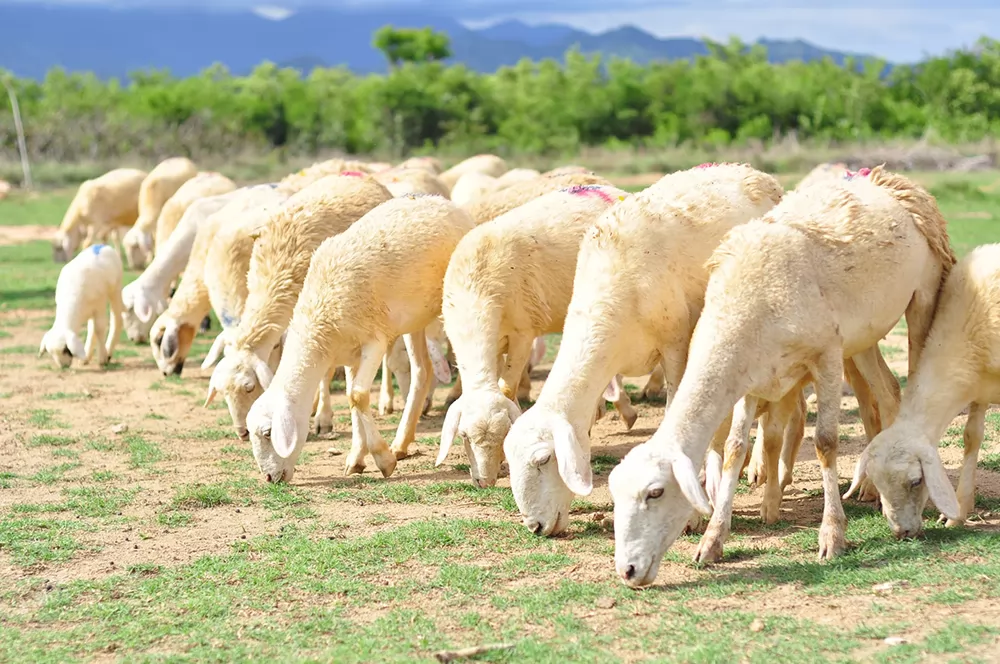
Digital technology in livestock and veterinary management: Accurate and reducing work load
With the application of livestock and veterinary management software, Ninh Thuan expects to grasp changes in livestock farming every time and manage diseases in livestock well.


Marine aquaculture brings high profits to Kiên Giang farmers
KIÊN GIANG - Breeding marine fish in floating cages has offered high profits for farmers in Kiên Giang Province's coastal areas and islands.
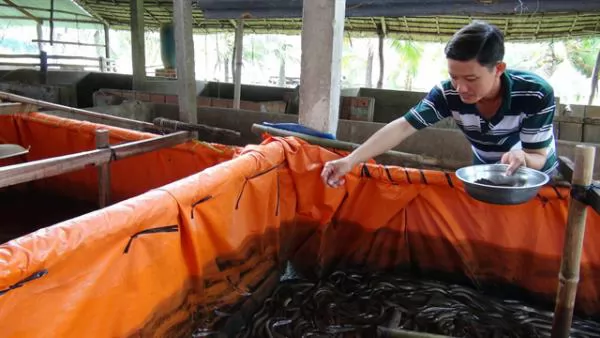
Super-intensive farming of white-legged shrimp brings high profits
TRÀ VINH - Super-intensive white-legged shrimp farming areas have expanded threefold over last year after bringing in high incomes for farmers in the Cửu Long (Mekong) Delta province of Trà Vinh.