Hung Yen's farmers enjoy high profits from beeves breeding model
Update: Mar 04, 2023 - 13:46 (GMT+7)


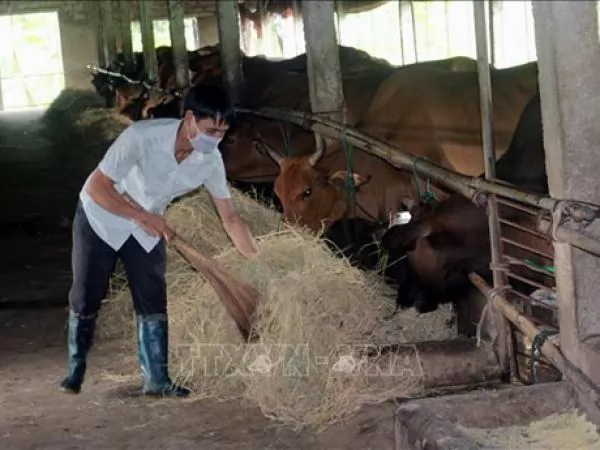
Hung Yen's farmers enjoy high profits from beeves breeding model (Photo: VNA)
Breeding high-quality beeves has been an effective model applied in the northern province of Hung Yen, which has greatly benefited local farmers.
Hung Yen (VNA) – Breeding high-quality beeves has been an effective model applied in the northern province of Hung Yen, which has greatly benefited local farmers.
The province currently has over 31,000 cows, 65% of which are beeves, mostly in Khoai Chau, Van Giang, Kim Dong, An Thi, Tien Lu, and Phu Cu districts and Hung Yen city.
Each year, the province has produced more than 4,000 tonnes of beef.
Tran Van My, a local farmer in Tan Hung commune of Hung Yen city, said that he earns nearly 10 million VND in profit from one of his beeves a year.
Meanwhile, Dang Van Hung in Hoang Hoa Tham commune of An Thi district, said that his family has 15 breeding cows and 15 3B beeves, providing 12 calves and nearly 10 tonnes of beef to the market, with profit of nearly 300 million VND (12,061 USD) each year.
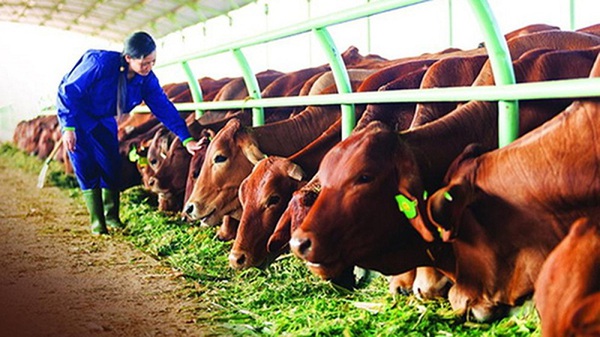
Illustrative image (Photo: nongnghiep.vn)
Hung Yen boasts favourable conditions for livestock breeding, including such as flat terrain, many natural grazing grounds in the localities along the Red River and Luoc River, and an abundant source of natural food and agricultural by-products.
In order to improve the quality of beeves, the provincial Department of Agriculture and Rural Development and localities have guided and encouraged local farmers to apply scientific and technological advancements in order to provide high quality beef meeting the market demand./.
VNA
Maybe you are interested
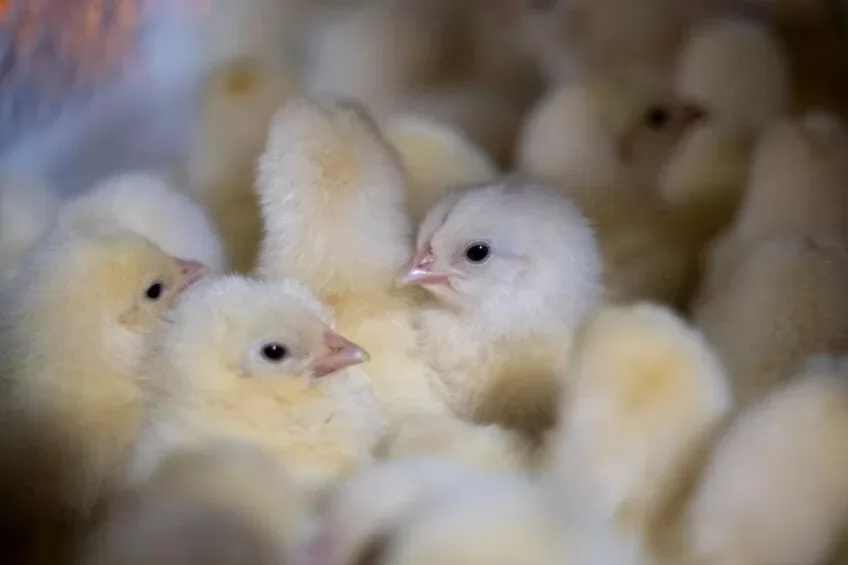

Egypt sets sight on exports as oversupply crisis tightens its grip
As severe overproduction has driven market prices below operational costs, Egyptian poultry farmers have called on the government to urgently facilitate poultry and egg exports to African and Arab countries.
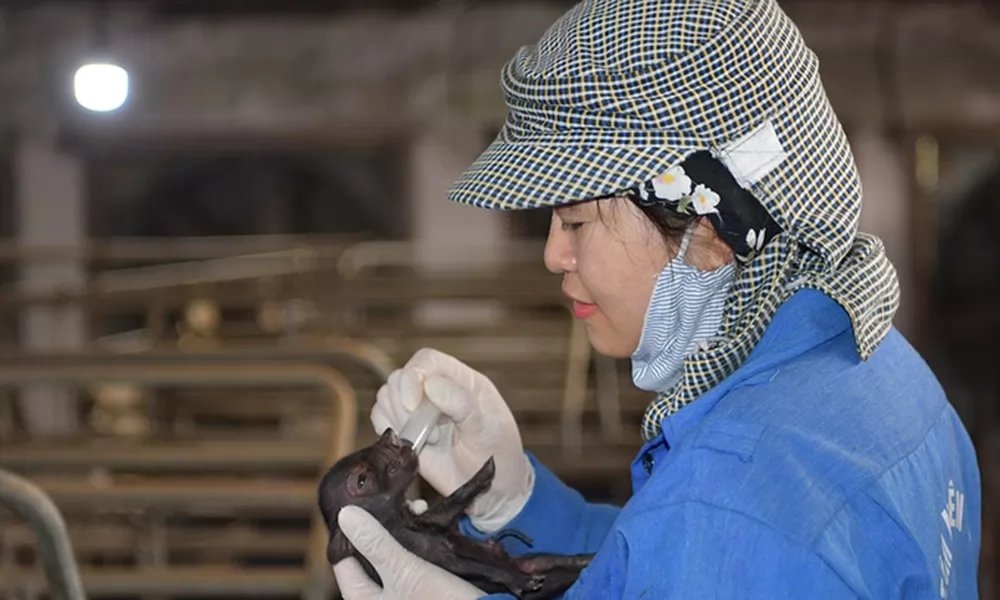
Vietnam successfully clones endangered pig breed
For the first time, Vietnam has successfully cloned the endangered Vietnamese Pot-bellied pigs using a somatic cell cloning technique.
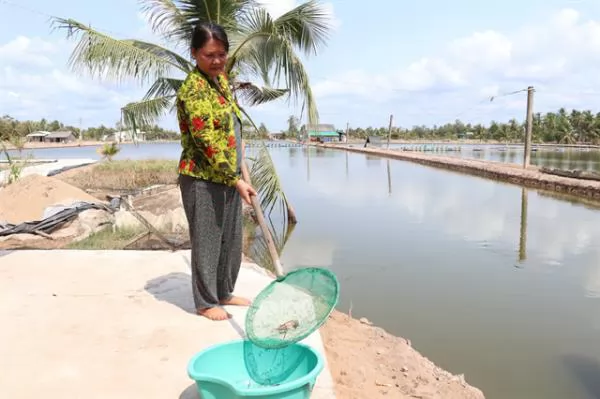
Bến Tre Province giant river prawn farms hit by saltwater intrusion
BẾN TRE - Many farmers raising giant river prawns in the Cửu Long (Mekong) Delta province of Bến Tre are facing losses due to saltwater intrusion, which is decimating the crustaceans.