$11.4mln expansion planned for Đồng Tháp Mười Ecological Reserve
Update: Jan 24, 2026 - 09:43 (GMT+7)


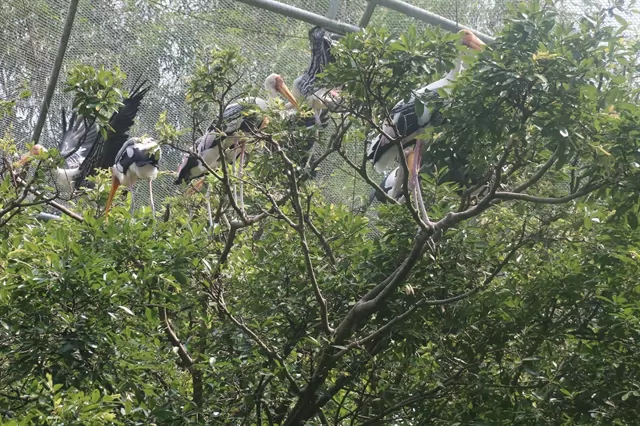
Painted storks live in a semi-natural area at the Đồng Tháp Mười Ecological Reserve in Đồng Tháp Province. — VNA/VNS Photo Minh Trí
Đồng Tháp Province plans to expand the 107ha Đồng Tháp Mười Ecological Reserve in Tân Phước 2 Commune.
ĐỒNG THÁP — Đồng Tháp Province plans to expand the 107ha Đồng Tháp Mười Ecological Reserve in Tân Phước 2 Commune.
The expansion project is scheduled to cost nearly VNĐ300 billion (US$11.4 million) and be completed by 2028.
Known as a typical wetland area of the Southern region, the reserve stands out for its cajuput forest ecosystem, water birds, and rare biodiversity.
The expansion project aims to conserve the biodiversity of wild flora and fauna, especially rare and endangered species and typical regional ecosystems.
It also aims to maintain and develop the unique natural landscapes of Đồng Tháp Mười (Plain of Reeds) region, including cajuput forests, wetlands, and related ecosystems.
It also aims to create conditions for research activities on biodiversity, ecosystems, and issues related to conservation and sustainable development.
It will contribute to raising public awareness about environmental protection, preventing the spontaneous conversion of forest land for other purposes, and conserving biodiversity against increasingly complex climate change impacts.
The project will reclaim about 60ha of land to expand the reserve and invest in construction items.
It will plant 42ha of cajuput trees and dig canals for forest irrigation, drainage, and fire prevention, with a total canal length of about 3.8km.
It will construct a patrol road, traffic bridges, sluices, pumping stations, a fence surrounding the reserve, and a three-phase power system to serve the pumping stations.
Beyond conservation goals, the project aims to expand green space, helping to create a safe and stable habitat for birds to live and breed, while promoting the development of natural aquatic resources.
The reserve welcomes more than 25,000 water birds and migratory birds that come to shelter and breed each year.
This density far exceeds the "important wetland" standards under national regulations and is putting the reserve at risk of ecological overload. Living spaces in the reserve are becoming cramped, food sources are decreasing, and habitats are gradually shrinking. — VNS
Maybe you are interested
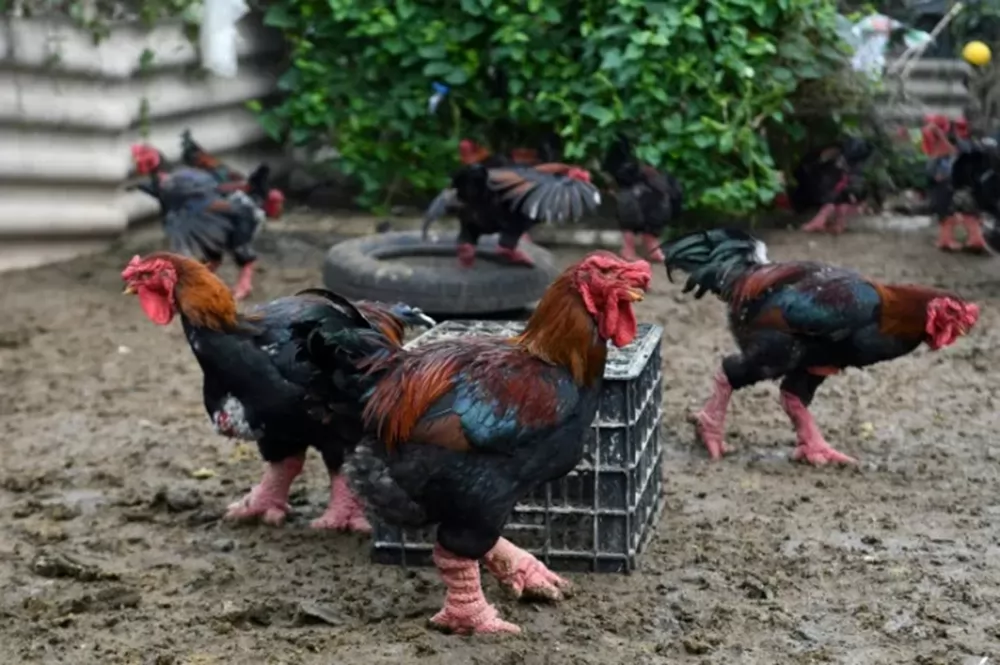
Giant legs of Vietnam's 'dragon chicken' a Lunar New Year delicacy
On a farm close to Hanoi, Le Van Hien picks out the best bird among his flock of "dragon chickens" -- a breed with legs as thick as a brick that can fetch up to $2,000 a head.
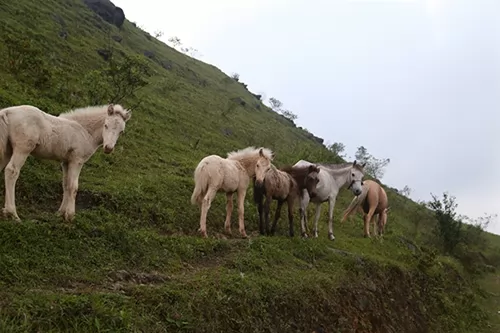
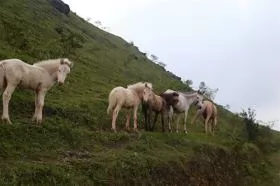
In the kingdom of Hữu Kiên white horses
HÀ NỘI — When talking about travel to the northern province of Lạng Sơn, you may think of the historic Chi Lăng Passage which used to be the barrier protecting Việt Nam from Chinese invaders or the famous Nhất Thanh-Nhị Thanh-Tam Thanh caves.
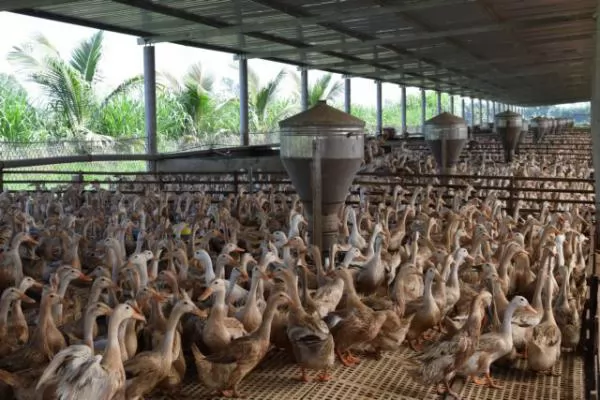
Duck farmers urged to meet biosafety standards
HCM CITY — Authorities in the Cửu Long (Mekong) Delta have encouraged farmers to breed ducks under biosafety standards and develop guaranteed outlets to ensure stable incomes.