Bà Rịa – Vũng Tàu farmers breed Pacific oysters
Update: 08 Feb 2020


Nguyễn Công Biên of Vũng Tàu City’s Long Sơn Commune checks his Pacific oysters. – VNA/VNS Photo Hoàng Nhị
Viet Nam News / BÀ RỊA-VŨNG TÀU — Many farmers in the southern province of Bà Rịa – Vũng Tàu are breeding Pacific oysters since they have a high survival rate and steady demand in the market.
Nguyễn Văn Mãnh, who has bred them since 2015 in Long Sơn Commune in Vũng Tàu city and now has 100 cages of them, said he harvests 2.5 - 3 tonnes a month and sells them at VNĐ25,000 – 50,000 (US$1.1 -2.2) a kilogramme to earn nearly VNĐ100 million ($4,300).
Demand for the oysters is steady, he said.
To breed them, farmers have to buy oyster spat, which are already attached to materials such as old shells. Pacific oysters offer stable yields compared to indigenous varieties.
Farmers who breed the latter only buy settlement materials and let the oyster seeds in the wild attach to them, meaning the harvest depends on nature.
Pacific oysters can be harvested after for five to six months while indigenous oysters take 12-16 months.
Nguyễn Công Biên of Long Sơn Commune said he buys Pacific oyster seed from Vũng Tàu City’s Ward 12 and Khánh Hòa Province for cultivation.
The cost of buying the seeds which are already attached to materials like old shells cost more than VNĐ110 million ($4,740) for his 19 cages.
But farmers only need to make floating cages after that and do not need to buy food since the oysters eat natural food.
They are highly resistant to diseases and are little affected by polluted water.
“Pacific oysters are preferred by many farmers and highly valued for their quality,” Biên said.
Long Sơn has around 40 households breeding the crustaceans on a total area of 26ha.
Lê Xuân Tú, chairman of the Long Sơn People’s Committee, said local farmers breed the oysters since they are sure of their origin.
Farming the oyster involves high initial investment but their survival rate is high and the technique is environment-friendly, he said.
In Long Điền District’s Phước Tỉnh Commune, some 70 households breed the oysters on more than 30ha near the Cửa Lấp and Thị Vải rivers.
They buy most of the oyster seeds from Khánh Hòa Province since the supply in Bà Rịa – Vũng Tàu cannot meet their demand.
Nguyễn Hữu Thi, head of the province Fisheries Sub-department’s aquaculture management division, said the sub-department encourages aquaculture farmers to breed Pacific oysters because of the huge potential.
Farming it is environment-friendly compared to indigenous oysters and improves farmers’ incomes, he said.
The province’s output is mostly consumed in the southern region. — VNS
Maybe you are interested
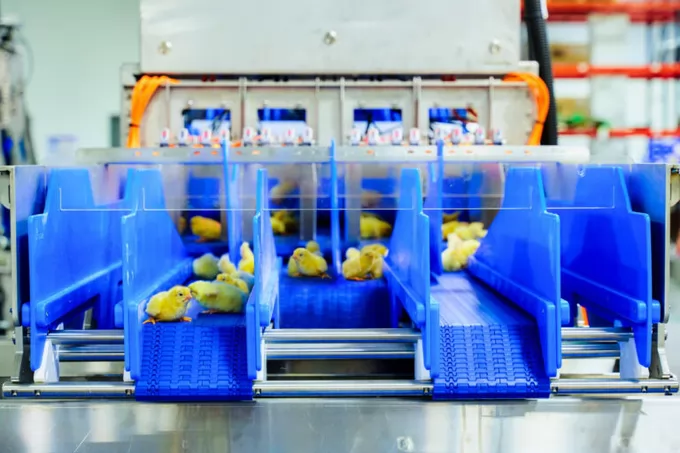
2025: The year for automated broiler sexing
In 2025, the global poultry market is heading even faster towards technological revolution, and automation is at its core.
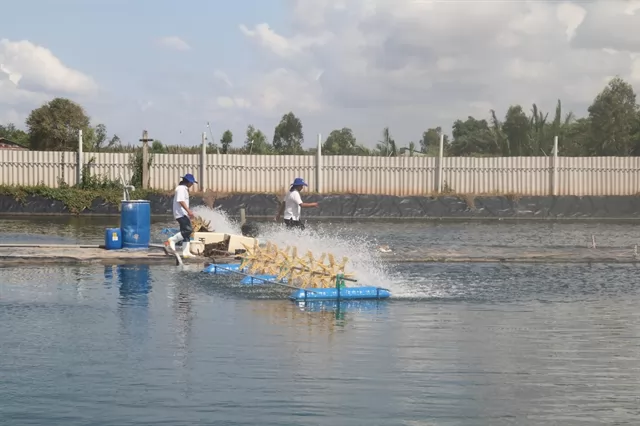
Tiền Giang Province expands aquaculture in coastal areas
TIỀN GIANG — The Cửu Long (Mekong) Delta province of Tiền Giang is expanding aquaculture in coastal areas.
Kiên Giang expands lucrative shrimp-breeding models
KIÊN GIANG - The Cửu Long (Mekong) Delta province of Kiên Giang plans to expand its brackish-water shrimp farming areas this year in an aim to increase farmers' incomes and adjust to soil, water and climatic conditions.