Bạc Liêu to grant production codes for shrimp farms to meet export requirements
Update: Jul 09, 2022 - 23:30 (GMT+7)


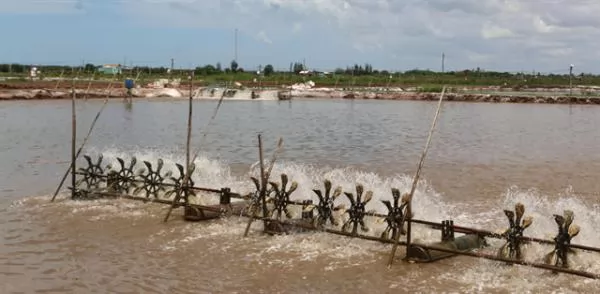
A shrimp breeding pond in Bạc Liêu Province. - VNA/VNS Photo Tuấn Kiệt
More shrimp farming households, co-operatives and companies in Bạc Liêu Province have registered to get production codes to expand exports.
BẠC LIÊU – More shrimp farming households, co-operatives and companies in Bạc Liêu Province have registered to get production codes to expand exports.
The Cửu Long (Mekong) Delta province has granted codes to 850 establishments with a total of 1,200ha since 2019, according to its Fisheries Sub-department.
Most of the farms are in Bạc Liêu City, Giá Rai Town and the districts of Hoà Bình, Đông Hải and Vĩnh Lợi.
To get the code, shrimp farmers need to meet certain standards, maintain a cultivation diary for origin traceability and fulfil other farming requirements.
Tạ Hoàng Nhiệm, chairman of the province's Shrimp Association, said in recent years the most demanding import markets have focused on origin traceability, and exporters lacking production codes could not sell to them.
The province’s co-operatives and companies have begun to pay more attention to getting production codes, he said.
According to the sub-department, shrimp is farmed on 135,000ha, of which 100,000ha are expected to get the codes.
The local Department of Agriculture and Rural Development is taking measures to speed up the issuance.
Bạc Liêu is one of the delta’s largest shrimp producers, and has adopted various effective farming models such as intensive, semi - intensive, super - intensive, shrimp - rice, and shrimp - forest.
It has also adopted VietGAP, GlobalGAP, organic, and Global Aquaculture Stewardship Council standards for aquaculture.
It is seeking more investment in hi-tech shrimp farming and to create conditions for developing linkages between production and consumption stakeholders.
It is also investing in infrastructure for shrimp farming, especially hi-tech agriculture zones. – VNS
Maybe you are interested
Cow breeding yields high income for farmers in Tiền Giang
Viet Nam News / HCM CITY — Farmers who breed oxen and raise cows in the Cửu Long (Mekong) Delta province of Tiền Giang have greatly improved their income.
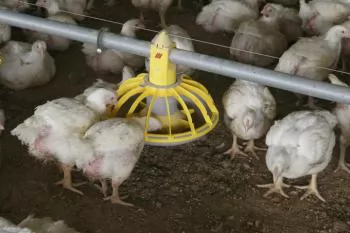
South Africa's poultry industry remains resilient
The South African Poultry Association (SAPA) says that it remains optimistic about 2025 amid ongoing challenges uncertainties, with highly pathogenic avian influenza remaining the most pressing concern.
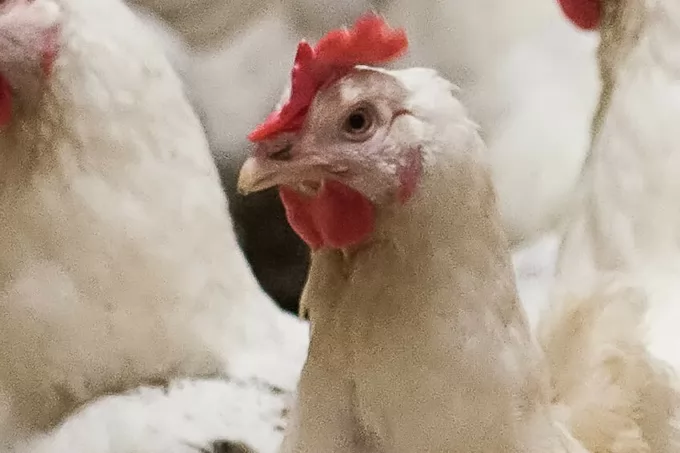
Laying Hen Welfare Forum launches white bird feedback survey
The UK's Laying Hen Welfare Forum has launched a survey to establish the sector's experiences in rearing and managing white bird commercial layers.