Controlling pig diarrhea with the One Health approach
Update: Apr 18, 2026 - 13:52 (GMT+7)


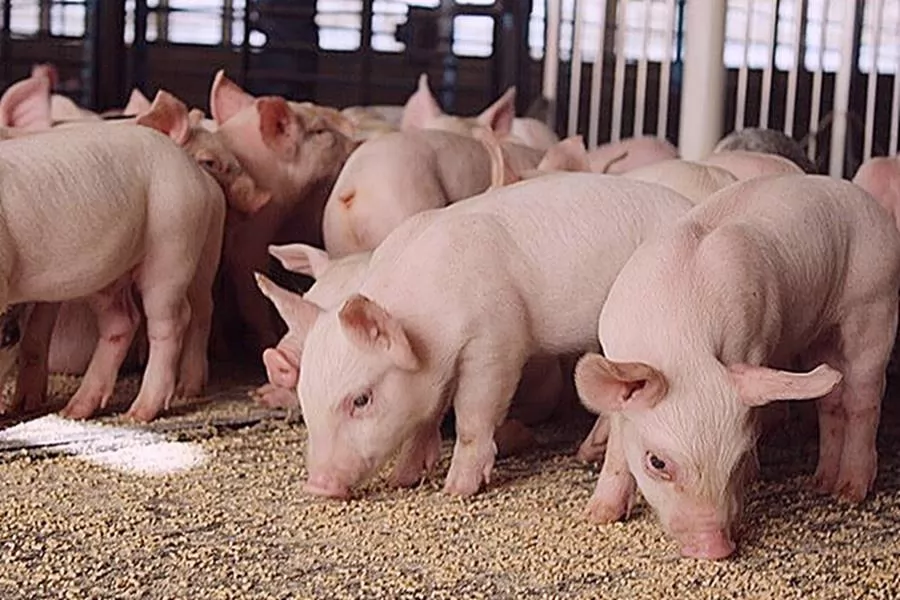
Controlling diarrhea syndrome in pigs requires a One Health approach. Photo: TL.
(VAN) Controlling pig diarrhea via the One Health approach represents a systemic shift in mindset from 'treating disease' to 'health management'.
Diarrheal syndrome in pigs, particularly in the post-weaning stage, has long been considered one of the biggest challenges in intensive pig farming. The disease not only causes direct losses in terms of mortality, reduced weight gain, and treatment costs, but also leads to broader consequences related to food safety, public health, and environmental pollution.
For decades, antibiotics have been used as a central tool to control the disease. However, practice has shown that antibiotic overuse has led to the rapid rise of antimicrobial resistance - one of the most serious threats to global health.
In this context, the One Health approach - viewing animal, human, and ecosystem health as an integrated whole - becomes a crucial theoretical foundation for restructuring disease prevention and treatment strategies in livestock production.
Antibiotic-free strategies
Diarrhea in pigs is a multifactorial syndrome in which bacteria (notably toxin-producing E. coli), viruses, parasites, and nutrition and environmental factors interact closely. The core mechanism lies in the imbalance of gut microbiota combined with impaired intestinal mucosal barrier function.
Traditional antibiotic-based approaches primarily target pathogenic bacteria but also disrupt the beneficial microbiota, exacerbating imbalance and creating selective pressure for resistance.
In contrast, antibiotic-free strategies aim not only to restore gut microbiota balance and strengthen intestinal integrity, but also to optimize digestion and nutrient absorption, while reducing pathogen shedding into the environment. This forms the scientific basis for a shift toward integrated treatment models.
Key pillars of the One Health solution framework
Enhancing the use of probiotics, prebiotics, and organic acids
Supplementing probiotics such as Lactobacillus, Bacillus, and Saccharomyces has been proven to improve adhesion competition, inhibit pathogens, and regulate mucosal immunity. Meanwhile, prebiotics (MOS, FOS) act as selective substrates that promote beneficial microbiota growth. The combination of probiotics and prebiotics (synbiotics) creates a synergistic effect, helping to sustainably restore gut ecological balance.
In addition, organic acids (formic, lactic, butyric) not only lower gastrointestinal pH and inhibit pathogens but also improve intestinal villi structure and nutrient absorption capacity. Butyric acid, in particular, serves as a key energy source for intestinal epithelial cells, contributing to the restoration of the natural barrier. From an environmental perspective, these solutions also reduce nitrogen excretion and pathogen load in manure, thereby lowering pollution pressure.
Improving nutrition and environmental management
Nutrition plays a central role in post-weaning diarrhea. Diets high in crude protein but imbalanced in amino acids can increase putrefactive fermentation in the large intestine, creating favorable conditions for pathogen growth.
Therefore, it is necessary to:
Reduce crude protein levels while supplementing essential amino acids precisely.
Use highly digestible ingredients and limit anti-nutritional factors.
Apply enzymes and feed additives to improve digestion efficiency.
Alongside nutrition, the farming environment is crucial in maintaining physiological balance. Factors such as temperature, humidity, stocking density, and water quality, if not properly controlled, can become stressors that weaken immunity and increase disease risk. In particular, biologically oriented waste management (biogas, circular systems, black soldier flies) can reduce pollution and break the pathogen transmission cycle within farms.
Strengthening biosecurity
Biosecurity is the first and most effective line of defense in disease control. Strict application of all-in/all-out principles, combined with sanitation, periodic disinfection, control of breeding stock, vehicles, and human movement, early detection, isolation, and timely handling of sick pigs, can significantly reduce pathogen pressure and thus limit antibiotic use.
From a One Health perspective, biosecurity not only protects livestock but also prevents the spread of pathogens and antimicrobial resistance genes into the environment and the community.
Responsible use of medication
Responsible drug use not only improves treatment effectiveness but also minimizes the risk of antibiotic residues in products and the environment. In some cases, using antibiotics remains a necessary action. However, the following principles must be observed:
Use only with a clear diagnosis and professional indication.
Select antibiotics based on susceptibility testing and MIC determination when possible.
Follow dosage and withdrawal periods, while prioritizing supportive measures such as electrolytes, vitamins, and toxin binders to enhance natural recovery.
It can be seen that the One Health approach, when it comes to controlling diarrhea in pigs, is not merely about replacing antibiotics with feed additives, but about a systemic shift from “disease treatment” to “health management.”
The core of this model lies in the integration of multiple factors: microbiota, nutrition, environment, management, and human involvement. When these factors are optimized synchronously, the farming system can achieve biological balance, thereby reducing dependence on reactive interventions. At the same time, this approach generates added environmental and social value, aligning with trends in green agriculture, circular economy, and international integration.
Author: Dr. Do Vo Anh Khoa
Translated by Samuel Pham
Maybe you are interested
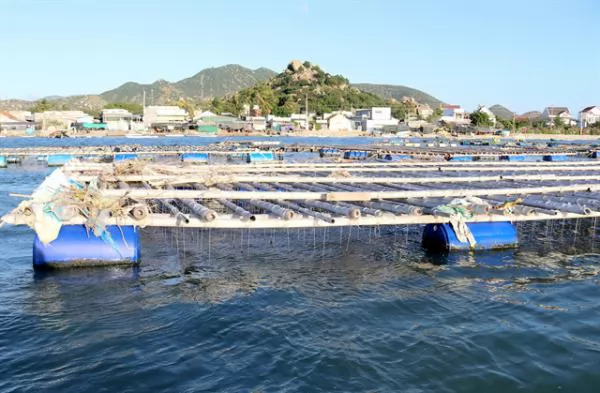
Ninh Thuận boosts development of marine aquaculture
Farmers in Ninh Thuận Province have expanded the breeding of marine aquatic species, such as Pacific oysters in floating cages in Nại Lagoon in Ninh Hải District.
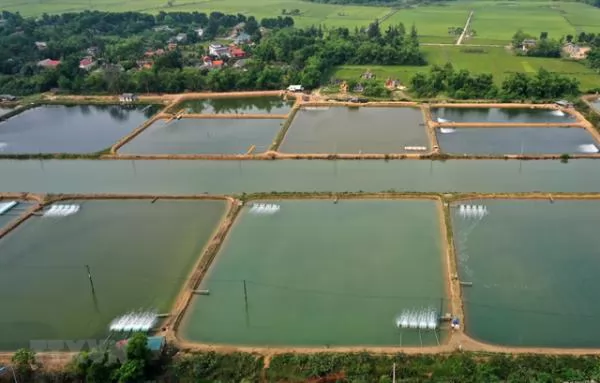
Long An breeds brackish-water shrimp
LONG AN — The Cửu Long (Mekong) Delta province of Long An plans to invest more than VNĐ1.24 trillion (US$53 million) to develop brackish water shrimp cultivation in the 2020-25 period, according to its Department of Agriculture and Rural Development.
Bến Tre expands farming of key aquaculture species
BẾN TRE — The Cửu Long (Mekong) Delta province of Bến Tre is expanding farming of some key fisheries products for both domestic consumption and exports.