Egypt sets sight on exports as oversupply crisis tightens its grip
Update: Feb 21, 2026 - 21:15 (GMT+7)


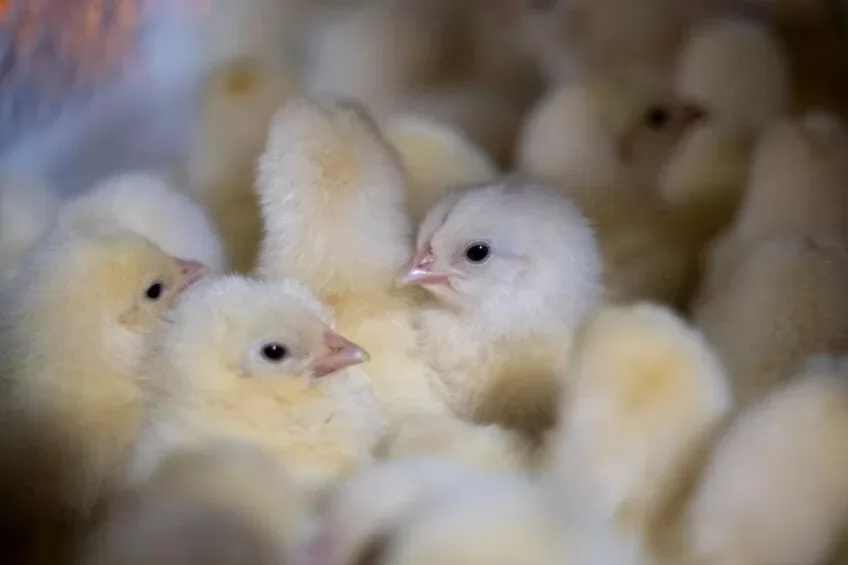
Egypt already exports hatching eggs, day-old chicks, as well as processed poultry products and semi-fried frozen poultry, but the biggest challenge is opening the door to exporting whole poultry carcasses. Photo: Bram Becks Fotografie.
(VAN) As severe overproduction has driven market prices below operational costs, Egyptian poultry farmers have called on the government to urgently facilitate poultry and egg exports to African and Arab countries.
Egypt currently has a surplus on the domestic poultry market, ranging between 15% and 20% from annual output, according to the General Federation of Poultry Producers. Egypt produces around 2.4 million tonnes of chicken meat and 16.6 billion eggs per year, meaning that the country can have an excess of up to 120,000 tonnes of chicken and billions of eggs.
Falling consumption
The surplus emerged as a combination of a rise in local production and a decline in demand, owing to the local population’s weakening purchasing power. According to the Federation, per capita poultry consumption in the country has dropped from 13.7 kg to only 9 kg in recent years.
Against this background, poultry in Egypt is currently trading at EGP 65 per kg (US$1.38), while the cost of production ranges between EGP 67 to EGP 68 (US$1.42 to US$1.44) for most farmers.
New export markets needed
The persistent industry crisis has prompted the General Federation of Poultry Producers to submit an urgent memorandum to the Agricultural Ministry demanding action to open new African countries for Egyptian poultry exports, Mahmoud El-Anani, the Federation’s director said. Establishing poultry exports could significantly bolster Egypt’s foreign trade balance.
“The government’s success in marketing the surplus in the Arab region and Africa and opening their markets to Egyptian frozen poultry could generate revenues exceeding US$600 million annually for Egypt,” El-Anani estimated.
He pointed out that the African continent has promising opportunities to absorb the surplus. Quite a few countries in the region suffer from a clear shortage of poultry products, including Libya, Djibouti, Ivory Coast, Kenya, Ghana, Tanzania, and Mauritania.
El-Anani called on Egyptian veterinary officials to invite representatives of the veterinary services of these countries to show them Egyptian poultry industry capacities, slaughterhouse and processing facilities.
Veterinary constraints
Egypt already exports a number of poultry products, such as hatching eggs, day-old chicks, as well as processed poultry products and semi-fried frozen poultry, but the biggest challenge is opening the door to exporting whole poultry carcasses, he said.
Mohamed Saleh, a Federation’s member, in turn, said that bird flu has remained the key constraint that prevented poultry exports from Egypt for years. Before 2006, Egypt generated on average US$720 million from selling poultry products to neighboring countries. In the following years, bird flu struck and the industry never truly recovered from it.
HD / PW
Maybe you are interested
Pig-breeding restructuring underway in Vietnam
Swine breeding businesses are glad of the rise in pig selling prices, after a 2023 so far with financial results in the doldrums.

$2 million dollar sturgeon project in Sơn La abandoned
A sturgeon breeding project worth more than VNĐ50 billion (US$2.1 million) has been abandoned in Sơn La Province for the past three years, wasting State investment resources.


Quảng Ninh sets a target of 8,000 billion dong from marine culture
Quảng Ninh sets a target of achieving 8,000 billion dong from marune culture for the period 2023-2030, accounting for about 70% of the total production value from aquaculture.