Fuelling sustainable protein from poultry waste
Update: Feb 14, 2026 - 21:59 (GMT+7)


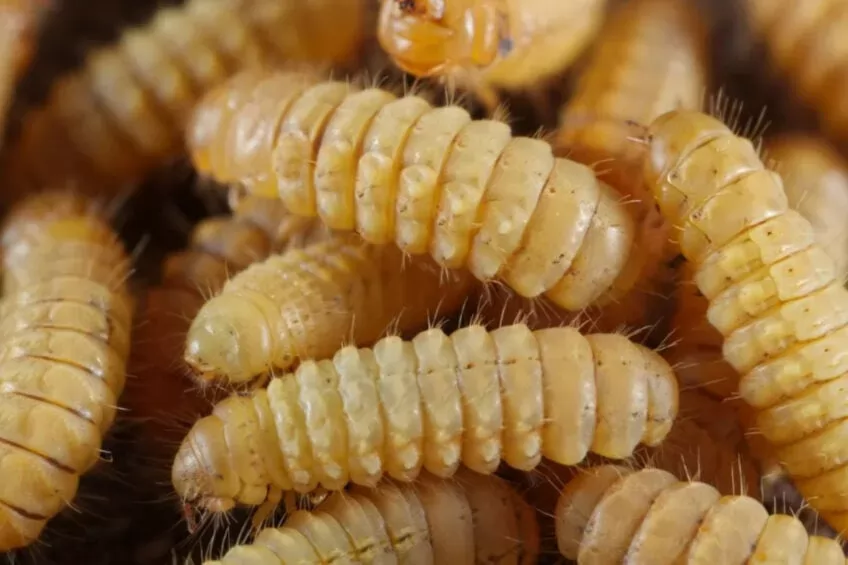
Researchers set out to determine whether treated wastewater materials could support healthy larval growth while reducing waste in poultry processing streams. Image: Reve.art.
(VAN) Electrocoagulation‑treated poultry wastewater sludge could soon play an unexpected role in sustainable protein production, thanks to new research exploring its use as a feed source for black soldier fly larvae (BSFL).
As demand for alternative protein sources (particularly in aquaculture) grows, BSFL have emerged as a promising, eco‑friendly substitute for traditional fishmeal. Their ability to thrive on organic waste makes them a natural fit for circular‑economy farming systems.
A team from Purdue University in Indiana investigated whether wastewater sludge from egg‑washing and poultry‑slaughtering facilities could be safely and effectively used as a moisture component in the BSFL diet.
Reducing waste in poultry processing streams
The solid portion of the larvae’s feed was based on the Gainesville Diet (50% wheat bran, 30% alfalfa meal and 20% corn meal), while different sludges supplied the required moisture. The aim was to determine whether treated wastewater materials could support healthy larval growth while reducing waste in poultry processing streams.
Researchers used electrocoagulation and flocculation to treat the wastewater. Electrocoagulation, applied with either aluminium or iron electrodes, delivered impressive contaminant removal rates. In egg‑washing wastewater, aluminium electrodes removed 81% of contaminated organic debris, 62% of ammonia and 91% of phosphate, while iron electrodes achieved 84.4% contaminated organic debris and 92% ammonia removal.
Duck sector
Duck‑slaughtering wastewater performed even better: aluminium electrodes achieved 98.21% contaminated organic debris removal, and both electrode types removed more than 99% of phosphate under optimised conditions.
The resulting sludge varied in composition, with iron‑treated duck‑slaughtering sludge containing the highest levels of total and inorganic solids. When fed to BSFL, both electrocoagulated and flocculated sludges supported strong larval growth. Weight increases of 5 to 8‑fold were recorded, with the best growth – 7.7‑fold – seen in larvae fed electrocoagulated duck‑slaughtering sludge.
Larval development was also monitored. Interestingly, larvae fed sludge from aluminium‑treated duck‑slaughtering wastewater showed the lowest rate of pupation across a 15‑day period, indicating that sludge type and treatment method may influence larval maturation.
With further research, including integrating electrocoagulation with anaerobic digestion for additional biogas recovery, poultry‑sector wastewater could become a valuable input for sustainable insect‑based feed production. This innovative study highlights how waste streams may soon help power the next generation of protein for global aquaculture.
HD / PW
Maybe you are interested
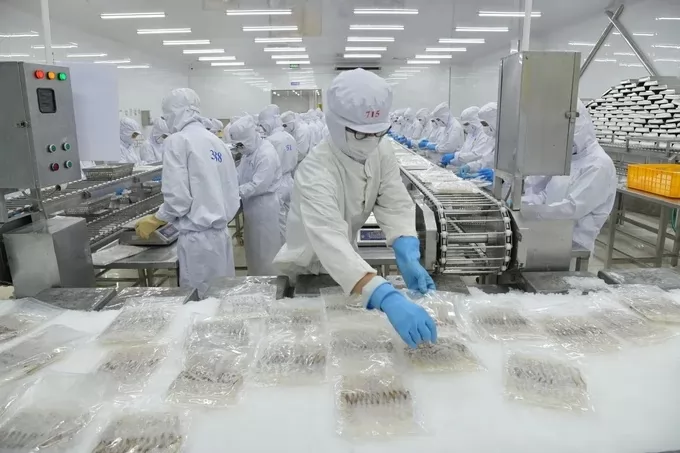
Vietnam\'s agricultural, forestry, fishery exports: USD 33.21 billion in 8 months
China, the USA and Japan continue to be the top 3 export markets of Vietnam's agricultural, forestry and fishery products in 2023.
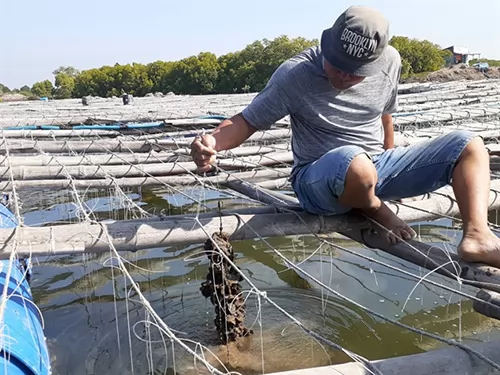
Bà Rịa - Vũng Tàu farmers expand breeding of Pacific oysters
BÀ RỊA-VŨNG TÀU — More farmers in the southern province of Bà Rịa-Vũng Tàu are earning more income by breeding Pacific oysters in an environmentally friendly and sustainable way.
Cà Mau co-operatives see higher incomes, stable prices
CÀ MAU — The number of farmers' co-operatives that have effective operations has increased as a result of support policies from Cà Mau Province in the Mekong Delta.