Moldova seizes thousands of eggs and broilers over imported feed contamination
Update: Feb 21, 2026 - 21:16 (GMT+7)


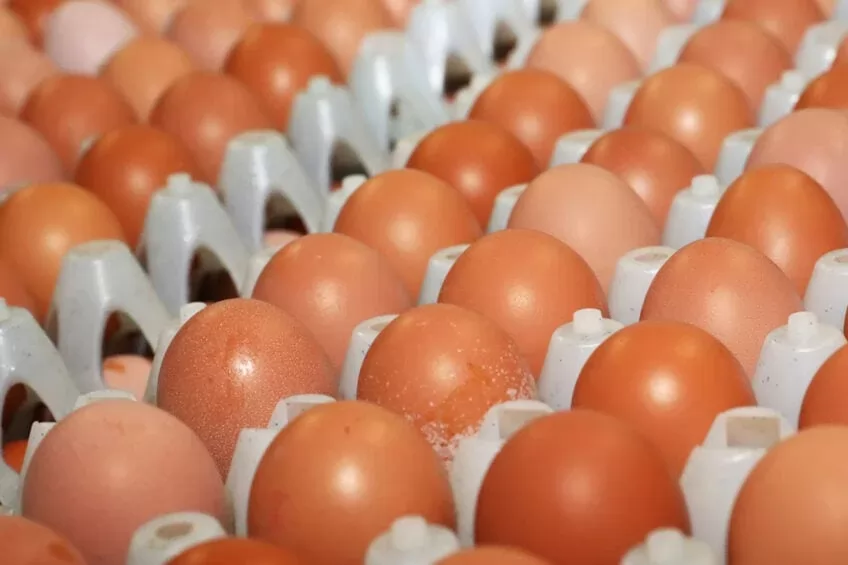
It remains unclear whether any contaminated products had already been consumed. Photo: Henk Riswick.
(VAN) Nearly 130,000 eggs, more than 100,000 broilers, and an unspecified amount of feed were seized from the market and destroyed across Moldova after a routine inspection detected excessive levels of metronidazole.
The inspections were carried out by the veterinary watchdog ANSA, which said that more than 17 follow-up inspections at feed warehouses, slaughterhouses, and egg farms enabled veterinary officials to trace the origin of the contamination to feed imported from Ukraine. It remains unclear whether any contaminated products had already been consumed.
The Telegraph, a local news outlet, published an appeal from a group of customers claiming that ANSA was informed about the contamination of poultry products on 22 December, but publicly acknowledged the problem and began seizing products only on 2 January.
Feed supplied through state tenders
The appeal also stated that as many as 10 poultry farms in Moldova had purchased contaminated feed. However, ANSA reportedly seized products from only 2 poultry farms — Intervetcom SRL and Raiplai Avicola SRL — the publication said.
Separately, local media outlets reported that the poultry farms implicated in the scandal had been supplying products through state tenders, including for the Moldovan army.
Health risks and the disposal of contaminated feed and products
Metronidazole has been banned in poultry farming in the EU since the 1990s and in Moldova since 2011.
Consumption of eggs contaminated with metronidazole can contribute to antibiotic resistance, potentially leading to treatment failures in future infections. It may also cause adverse health effects such as headaches, nausea, dizziness, stomach upset, and possible liver and kidney damage. Residues of the antibiotic pose risks including allergic reactions and neurotoxicity, and its use in food-producing animals is widely prohibited.
ANSA said the seized products were processed as non-food waste at a biogas plant to eliminate any public health risks. The veterinary regulator also stressed that all egg products currently available on the Moldovan market are safe for consumption.
Just weeks after exports to EU are approved
The scandal has shaken Moldova’s poultry industry, marking its most serious veterinary incident in recent years, just weeks after the country received approval to export poultry products to the European Union.
In December 2025, Axedum became the first Moldovan company recognised by the EU as meeting the bloc’s standards for poultry exports.
HD / PW
Maybe you are interested
Shrimp industry needs solutions to achieve export target this year
The shrimp industry needs comprehensive solutions from production of breeding shrimp to processing to achieve this year's 4.3-billion-USD shrimp export target.
Goat breeding brings high incomes to farmers in Bến Tre
BẾN TRE - Breeding goats has helped many farmers in the Cửu Long (Mekong) Delta province of Bến Tre escape poverty and have a stable income as the animal is easy to breed and does not require large investment.
Gia Lai seeks to improve quality of beef cattle through cross-breeding
Gia Lai Province, which has the largest beef cattle herd in the Tây Nguyên (Central Highlands) region, has undertaken many programmes to develop the quality of its animals by crossing native cows and hybrid bulls.