Turning organic waste and manure into valuable, sustainable feed
Update: Dec 13, 2025 - 14:25 (GMT+7)


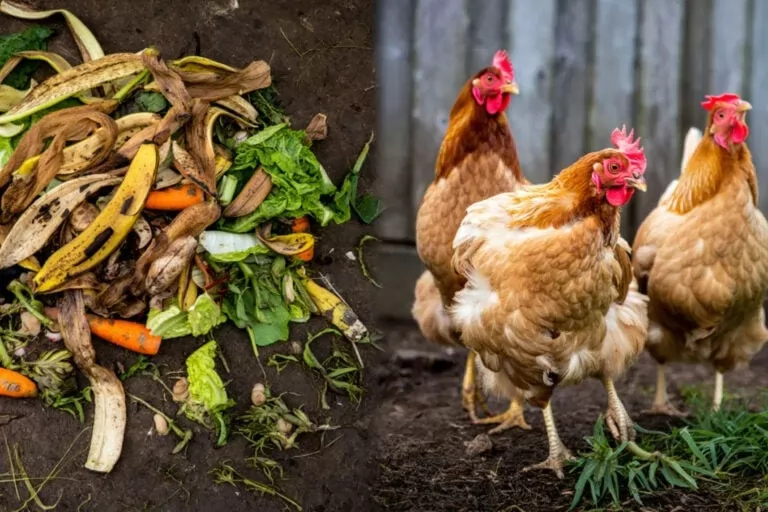
Can food waste and animal manure can be converted into valuable volatile fatty acids that can be used as a substrate to cultivate protein-rich fungal biomass, which can be used to produce animal feed? This image was created with the help of AI (Reve.art).
(VAN) A research project in Sweden explored how valuable substances can be extracted from organic waste, such as food waste and animal manure, and how this loop can be closed by producing animal feed.
In her doctoral project, Clarisse Uwineza demonstrated how food waste and animal manure can be converted into valuable volatile fatty acids. These acids can then be used as a substrate to cultivate protein-rich fungal biomass, which can, in turn, be used to produce animal feed.
Organic waste, such as food waste and manure from agriculture, is a growing environmental issue. However, by using a method known as anaerobic digestion where microorganisms break down waste in an oxygen-free environment, it is possible to extract these volatile fatty acids.
Fungi convert acids to protein
These acids, along with nutrients such as nitrogen and minerals, can then be used to cultivate a specific fungus: Aspergillus oryzae. The fungus grows into a biomass rich in protein, minerals, and dietary fibre, and is also easily digestible for animals.
“My work shows that organic residues can serve as a valuable raw material for sustainable protein production, helping to close the loop in a circular economy and potentially reducing the use of protein sources such as soy and fishmeal, which currently form the basis of animal feed production,” said Uwineza.
“One thing that surprised me was how effectively the fungal biomass grew on waste-derived acids, even though some of these acids are toxic at high concentrations,” she said.
By developing a controlled method for adding the volatile fatty acids, she was able to ensure the fungus grew gradually and safely, resulting in higher yields and improved quality.
Beyond feed to materials
In addition to animal feed, the fungal biomass can also be used in the production of bio-based materials, such as biodegradable plastics or as an alternative to leather. The results show that emissions can be reduced, resources can be better utilised, and new opportunities can be created within the circular bioeconomy.
The project directly supports several of the UN’s Sustainable Development Goals, including Goal 12 on responsible consumption and production, Goal 13 on climate action, and Goal 2 on ending hunger.
For more information, read Clarisse Uwineza’s doctoral thesis (comprehensive summary): Cultivation of Edible filamentous Fungi Utilizing Bio-based Volatile Fatty Acids.
H.D
(Poultryworld)
Maybe you are interested
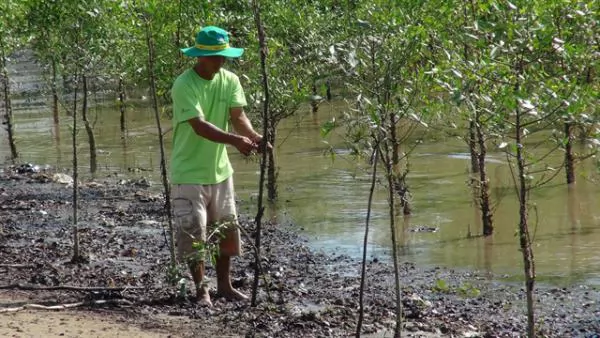
Shrimp-breeding in mangroves protects forest cover, offers stable income
TRÀ VINH - The Cửu Long (Mekong) Delta province of Trà Vinh is encouraging farmers to breed shrimp in mangrove forests as the practice offers sustainable incomes and helps to maintain the province's forest cover.
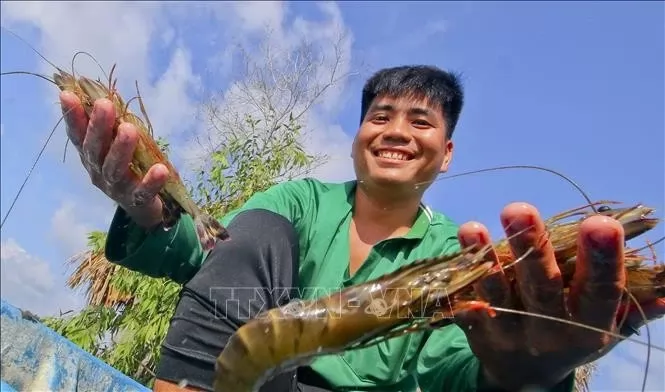
Shrimp industry advised to take actions to maintain growth momentum
Experts held that in order to maintain the export momentum, which has been maintained since late 2024...
Việt Nam to develop cattle breeding, say officials
HÀ NỘI — Việt Nam's agricultural sector will focus on developing cattle, poultry and aquatic breeding to compensate for a shortage of pork which is expected to hit this year due to African swine fever.