Viet Nam's livestock breakthrough: From importing excellence to modern ecosystem
Update: Mar 21, 2026 - 13:09 (GMT+7)


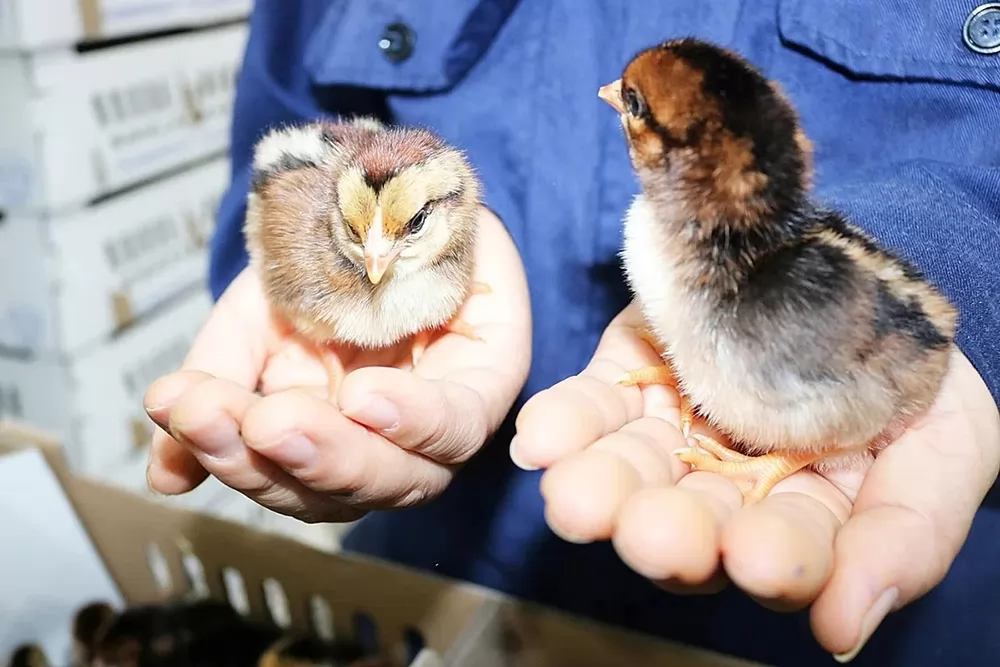
Vietnam possesses many livestock breeds of world-class quality. Photo: VPA.
(VAN) Viet Nam’s livestock sector over the past 20 years has been consistently driven by genetic advancement.
According to Nguyen Thanh Son, former Director of the Institute of Animal Husbandry and Chairman of the Vietnam Poultry Association, breeds are the starting point of production, but they determine only part of the outcome. The rest depends on how the livestock system is organized, managed, and connected to the market.
Therefore, genetic advancement in Viet Nam’s livestock sector is not merely a scientific issue but a story of changing mindsets and industry restructuring.

Nguyen Thanh Son, former Director of the Institute of Animal Husbandry and Chairman of the Vietnam Poultry Association. Photo: Bao Thang.
Genetic advancement shapes a modern livestock ecosystem
The early 2000s marked a major turning point for Viet Nam’s livestock sector, initiating a modernization process driven by breed transformation. A wide range of high-performance livestock breeds were imported and crossbred. Foreign pig breeds such as Yorkshire, Landrace, and Duroc gradually replaced low-yield local varieties. Industrial poultry expanded rapidly thanks to lines with superior egg and meat productivity.
This was a foundational step, but its impact went beyond productivity gains. As breeds changed, the entire production system had to adapt. Feed needed higher nutritional standards. Housing required better environmental control. Husbandry practices had to become more precise and standardized. A chain of transformation was set in motion, driving the development of related industries.
By around 2010, the animal feed industry experienced rapid growth, becoming one of the key pillars of the sector.
However, according to Nguyen Thanh Son, breeds account for only about 30% of success, while the rest depends on farming methods and management. This underscores a clear reality: good genetics alone do not guarantee efficiency, they require a suitable ecosystem to fully realize their value.
The 2011-2020 period marked the next phase in the development of this ecosystem. High-tech farming models, closed-loop production chains (3F), closed housing systems, and automation were increasingly deployed. Viet Nam also gradually achieved self-reliance in many key vaccines. In this context, breeds were no longer a standalone factor; they became part of an integrated value chain where every stage is interconnected.
This transformation led to a clear differentiation within the sector. In poultry farming, for example, by 2025 the industry maintained stable growth, with meat output reaching around 2.6 million tons, egg production exceeding 21 billion units, and a total flock of about 585 million birds.
However, behind this growth was a strong process of consolidation. Enterprises and farms with well-structured investments, strong biosecurity control, and proactive value chain integration continued to expand. Meanwhile, small-scale, poorly connected operations faced increasing difficulties. This highlights that genetic advancement only delivers results when it is aligned with modern production organization.
Since 2021, the livestock sector has entered a new phase: Livestock 4.0. Technologies such as IoT, AI, and automation are being widely applied on farms. Temperature, humidity, feed rations, and animal health are monitored in real time through data systems. As a result, risks are minimized and efficiency is optimized.
In this setting, breeds are no longer just a genetic factor, but a component of a data-driven operational system. This marks a critical shift from simply possessing good genetics to the ability to fully unlock their value.
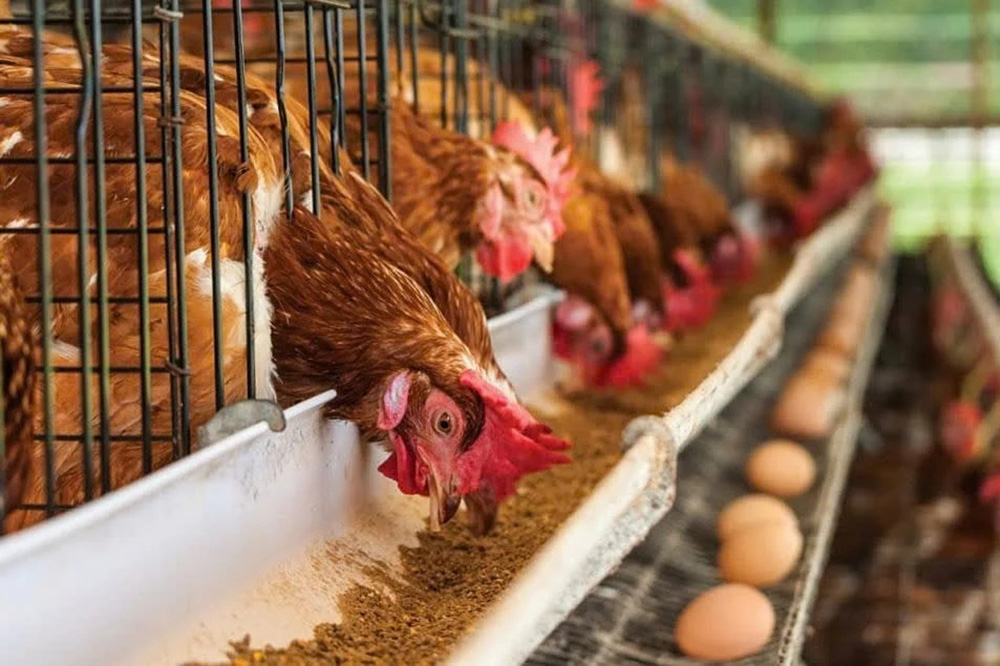
According to the Vietnam Poultry Association, the total poultry population nationwide currently exceeds 585 million birds. Photo: VPA.
Shifting from a production mindset to an economic mindset in breed development
If technological advancement is one axis of transformation, the other is the shift in mindset.
For a long time, the livestock sector operated under a production-driven logic: expanding herd sizes, increasing output, and maximizing productivity. Breeds were primarily selected based on high performance. However, market realities have set clear limits. A high-yield breed with high costs, mismatched consumer preferences, or limited marketability can still lead to losses. Technology, if not aligned with the market, does not create real value.
According to Nguyen Thanh Son, science and technology must be closely linked to the market, and the market itself should serve as the track guiding production. As a result, the mindset around breed development is evolving. Breeds are no longer chosen solely for productivity, but must meet multiple criteria at once, including cost efficiency, product quality, safety, and marketability.
An important lesson is the need to harmonize exotic and indigenous genetic resources. Exotic breeds offer high productivity but require strict farming conditions. Indigenous breeds, on the other hand, have advantages in adaptability and product quality. In the context of increasingly complex climate change and disease risks, adaptability is becoming a long-term asset.
This shift in thinking is driving a clear transition from maximizing productivity and output to optimizing value. The poultry sector in 2025 illustrates this trend. Fragmented production thinking is gradually being replaced by a value chain mindset. Livestock production is being reorganized into closed-loop chains, from breeding and feed to farming, processing, and consumption. Within this chain, breeds are no longer just a technical factor, but an economic variable.
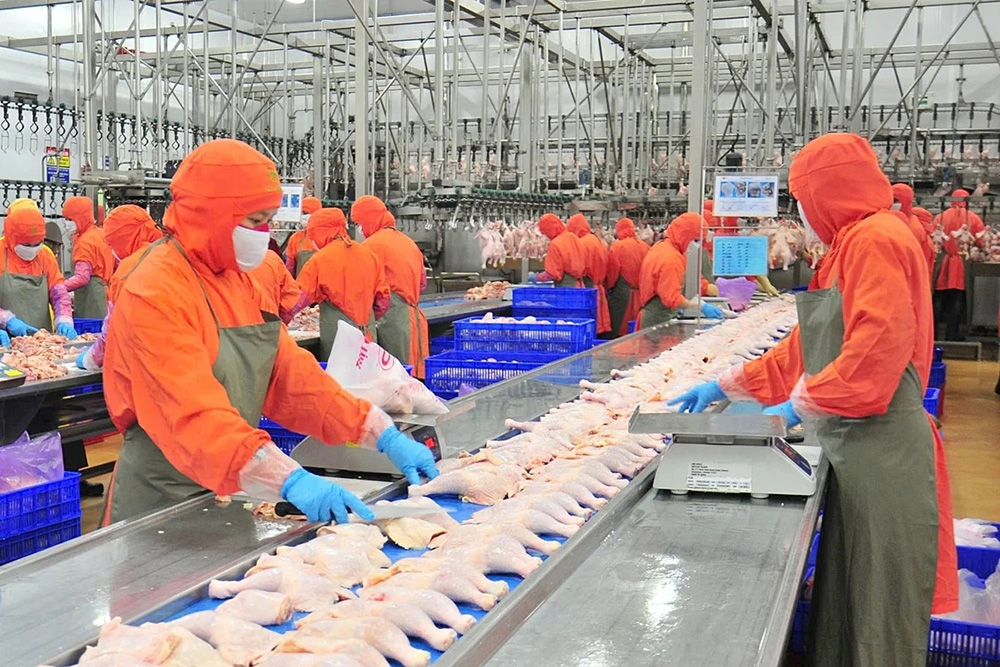
Poultry processing on an assembly line. Photo: VPA.
One notable development in the current period is the growing role of market data. Under modern value chain models, consumer data can drive production processes, thereby influencing breed selection and farming methods. When the market fluctuates, farmers can quickly adjust herd sizes, product structures, and production strategies.
This was clearly evident in the first quarter of 2026. After the Lunar New Year, poultry supply surged while demand declined, causing farm-gate prices to drop. In this context, the challenge is not simply reducing herd size, but adjusting the entire production chain in response to market signals. As a result, breed selection must also be recalibrated to match specific consumption segments.
"Genetic advancement has played a crucial role in helping Viet Nam’s livestock sector maintain high and stable growth over many years," concluded Nguyen Thanh Son, emphasizing that the true value of breeds no longer lies in their intrinsic traits, but in how they are positioned within the production system and the market.
From March 27-28, the Ministry of Agriculture and Environment will host the first National Conference on Livestock Science, Technology and Veterinary Medicine, with the participation of leaders from National Assembly agencies, the Government Office, relevant ministries and sectors, management bodies, associations and unions, enterprises, and scientists in the livestock and veterinary fields nationwide. The conference will take place at the National Convention Center, Pham Hung Street, Tu Liem Ward, Hanoi.
VAN News will provide live coverage of this event.
Author: Bao Thang
Translated by Kieu Chi
Maybe you are interested
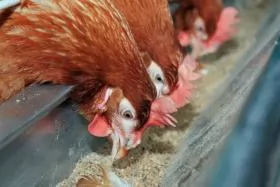
Impact of feed source pathogens on layer egg production
Controlling feed-source pathogens is important for maintaining flock productivity and promoting food safety.
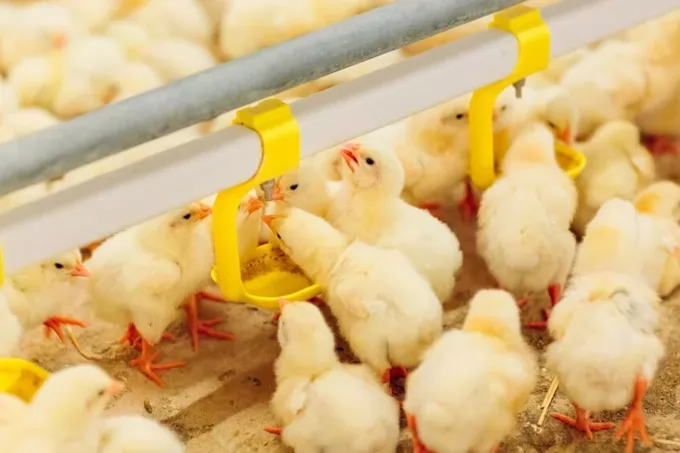
Patterns of feed intake linked to broiler growth performance
Improving feed utilisation is important. Scientist therefore measured individual weekly feed intake and body weight of broilers to characterise the dynamic feed intake patterns and investigate their relationship with growth performance.
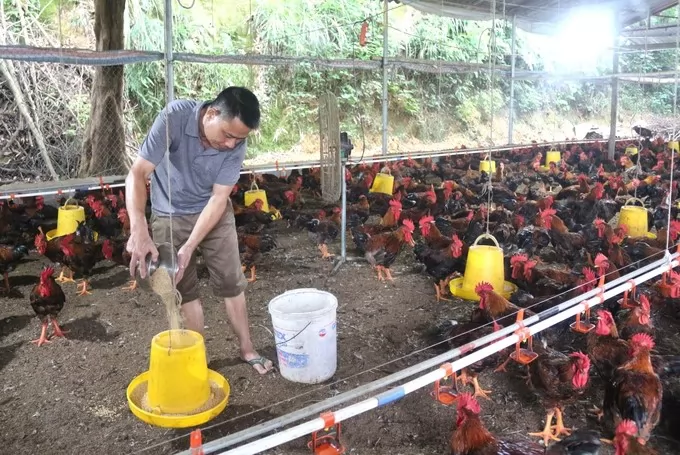
Biosafety farming: People are expanded knowledge
Applying science, technology, and technical advances not only helps breeders improve productivity, quality, and value of products but also expands new knowledge.