Viet Nam scales 'Feed-Farm-Food' chain for Halal chicken market
Update: Mar 28, 2026 - 21:50 (GMT+7)


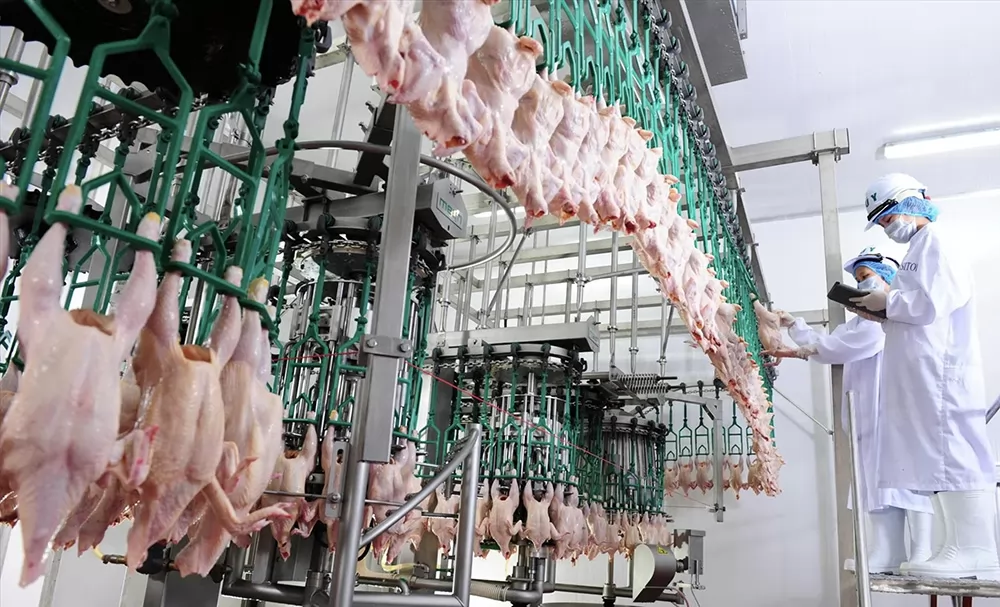
Promoting poultry exports to the Halal market will help Viet Nam's livestock sector achieve new successes and better balance the market. Photo: Giang Phuong.
(VAN) According to De Heus Viet Nam, the 'Feed - Farm - Food' ecosystem and strict input-output control are keys for local chicken to conquer global Halal market.
The global Halal market currently serves over 2 billion consumers, accounting for approximately 25% of the world's population. The market size reached about $2.2 trillion in 2023 and is projected to hit $3 trillion by 2028, with a steady annual growth rate of 6-8%. Notably, poultry is the fastest-growing segment and holds a significant share of the consumption structure.
Sharing at the first National Conference on Livestock Science, Technology and Veterinary Medicine on March 28, De Heus Viet Nam stated that this segment is highly suitable for the country, thanks to advantages in competitive costs, production capacity, and flexibility in meeting standards. Many Muslim nations, particularly in the Middle East and Southeast Asia, rely heavily on poultry imports, opening up substantial room for new exporters.
However, the Halal market also imposes stringent requirements, such as Halal certification, traceability, and disease control. "Missing just one link in the chain will disqualify a business from exporting," emphasized Mr. Nguyen Quang Hieu, the company’s External Affairs Director.
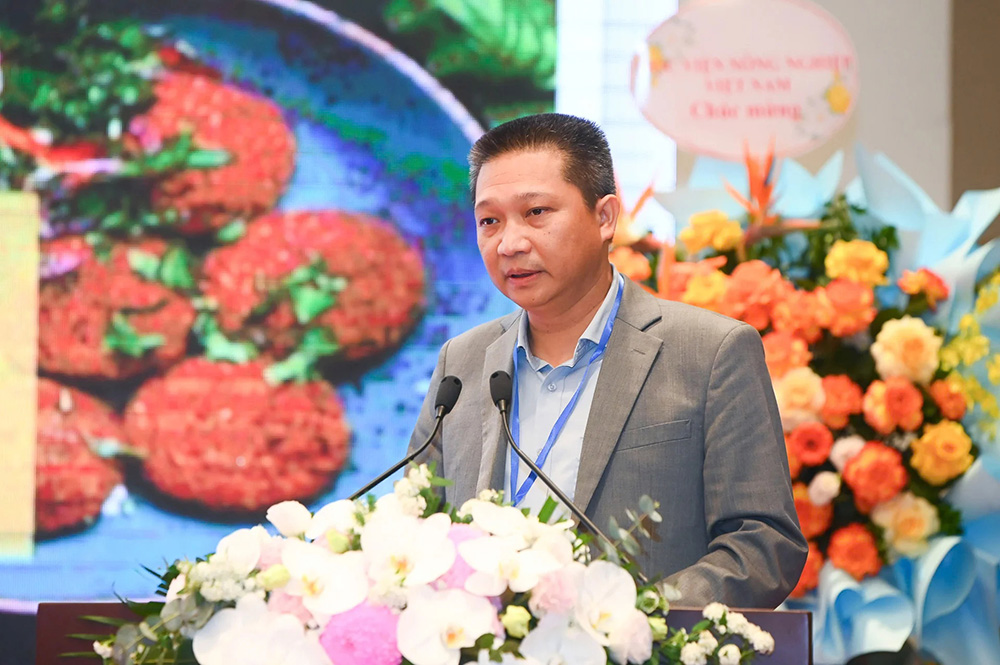
Mr. Nguyen Quang Hieu, External Affairs Director of De Heus Vietnam, speaks at the first National Conference on Livestock Science, Technology and Veterinary Medicine. Photo: Tung Dinh.De Heus and the “Feed - Farm - Food” Strategy
De Heus and the “Feed - Farm - Food” Strategy
To export to the Halal market, businesses must establish disease-free zones in compliance with World Organization for Animal Health (WOAH) standards and international SPS (Sanitary and Phytosanitary) regulations. Furthermore, a comprehensive traceability system is essential to ensure control from breeding and feed to farming, slaughtering, and processing. The slaughtering process must strictly adhere to Halal requirements and be certified by authorized organizations. According to a representative from De Heus Viet Nam, this is precisely why the company opted for a closed-loop value chain strategy rather than operating in isolation.
"De Heus does not merely supply feed; we act as a chain coordinator, connecting every link from breeding and farming to processing. We do not compete with our partners within the chain; instead, we focus on elevating standards and creating shared value.
In this typical collaborative model, De Heus provides the Feed, partners supply high-quality breeds, and farmers and enterprises manage the Farm stage, while modern facilities handle the Food (processing) phase. As a result, the entire chain is strictly controlled, ensuring full traceability and meeting international standards such as GlobalGAP, ISO 22000, FSSC 22000, and Halal," shared Mr. Hieu.
One of De Heus’s key strategic directions in Viet Nam is investing in modern processing infrastructure. The Tay Ninh plant, with a total investment of approximately 1,400 billion VND, boasts a slaughtering capacity of 52 million head and a processing output of 132,000 tons per year, serving as a vital link in the value chain.
In parallel, the enterprise has accumulated extensive experience through exporting to the Japanese market since 2017, utilizing a collaborative model with domestic partners. Japan is a market with stringent requirements for disease safety, traceability, and quality control - factors that closely align with Halal standards.
The slaughtering and processing lines are highly automated, from stunning and bleeding to cleaning, packaging, and storage. This not only ensures food safety but also satisfies the rigorous demands of Halal certification.
Proposing a national strategy and building an integrated chicken value chain
Despite strong potential, Viet Nam’s chicken industry still faces challenges in maintaining disease-free zones in line with international standards set by the WOAH, while the domestic Halal certification system remains fragmented and lacks broad recognition across import markets. These are fundamental barriers that directly affect market access and export expansion.
Therefore, De Heus emphasizes the importance of a national strategy that clearly identifies target markets and strengthens the Halal certification system. At the same time, it calls for the development of public-private partnership (PPP) models, where enterprises take the lead in investment and operations, while the government provides policy support and infrastructure.
In addition, enhancing linkages among stakeholders across the value chain, simplifying export procedures, and leveraging the role of diplomatic missions and trade offices abroad will help open wider doors to Halal markets.
According to Mr. Nguyen Quang Hieu, Halal exports are not a “solo game” for individual enterprises but a challenge for the entire value chain. From breeding and feed to farming, processing, and distribution, all stages must be standardized and closely interconnected.
“In the context of a rapidly expanding Halal market, developing a well-structured and synchronized chicken value chain will be key for Viet Nam to enhance its position and integrate more deeply into global agri-trade. De Heus is committed to accompanying businesses, farmers, and regulators in building a sustainable, internationally compliant value chain,” the company representative affirmed.
Authors: Phuong Linh - Tung Dinh
Translated by Phuong Linh
Maybe you are interested
Dark clouds pile above the Slovak poultry industry
Hydina Slovensko, a prominent Slovak poultry processor, is on the verge of bankruptcy over a large debt of €23 million, local publication Hospodárske noviny reports.
Shrimp-rice specialty from salt-freshwater ecological area
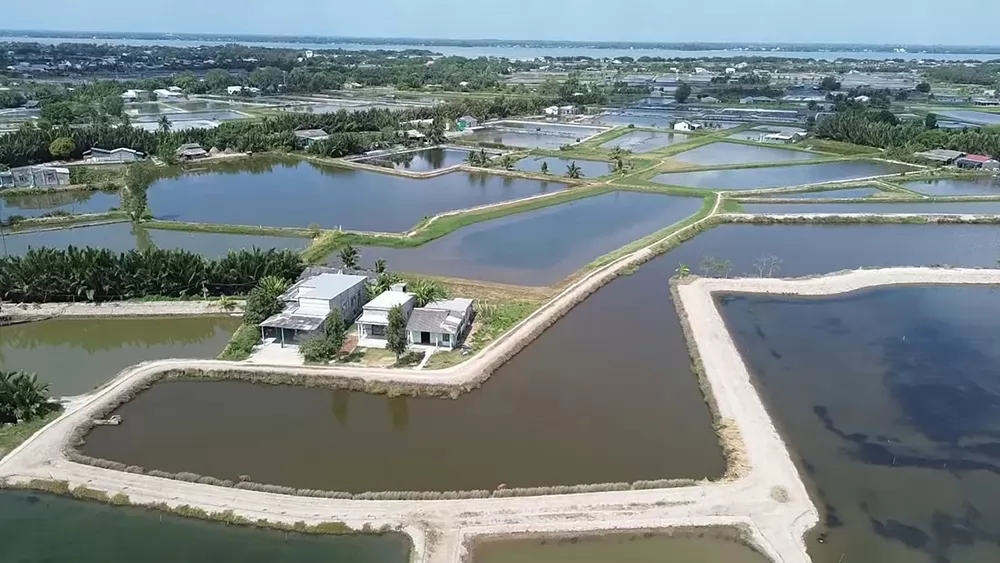
With six months of saltwater and six months of freshwater, residents in the Hoa Minh island commune have developed an ecological shrimp-rice model, producing clean agricultural products and opening a sustainable pathway for agriculture.
Digital technology in livestock and veterinary management: Accurate and reducing work load
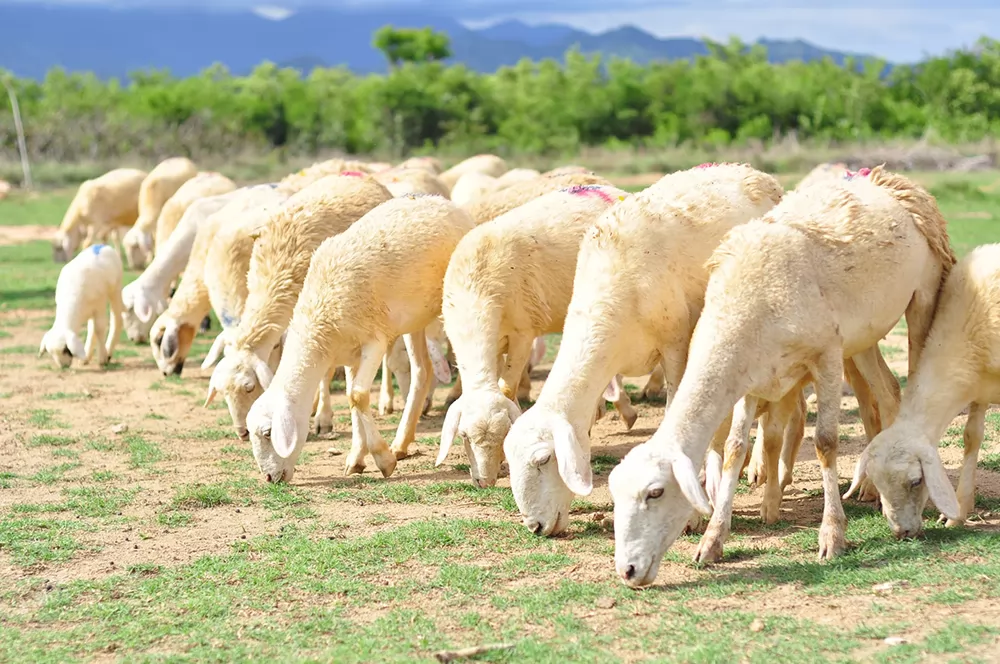
With the application of livestock and veterinary management software, Ninh Thuan expects to grasp changes in livestock farming every time and manage diseases in livestock well.