Vietnam's seafood exports nearing $11 bln in 2022
Update: Mar 25, 2023 - 09:53 (GMT+7)



A farmer carries two lobsters in central province of Phu Yen. Photo by VnExpress/Duy Khoi
Vietnam's seafood exports this year could reach $11 billion for the first time, spearheaded by shrimp, pangasius and tuna, according to the Vietnam Association of Seafood Exporters and Producers (VASEP).
Truong Dinh Hoe, VASEP general secretary, said at a conference in HCMC Saturday that by November, seafood exports had already crossed $10 billion, so by the end of the year, it could reach $11 billion for the first time ever.
The largest seafood export markets for Vietnam are the U.S., Japan, China and the EU. The EU, the U.S. and China account for 60% of the global seafood trade, as well as 50% of Vietnam's export turnover in the first 10 months of this year.
Hoe said all sectors of the seafood industry grew 18-77%, but exports were beginning to slow down amid lower purchasing power, higher interest and fluctuating exchange rates. As the world enters a recession and inflation increases, demand is falling across the globe, he added.
As such, Vietnam's seafood industry would face tough competition from competitors that offer lower costs and prices, like Ecuador or India.
Economist Dinh The Hien said that the global economy would worsen in 2023, directly affecting the seafood industry.
"However, businesses shouldn't be too pessimistic; they should search for new opportunities to grow," he said.
By Thi Ha
Maybe you are interested
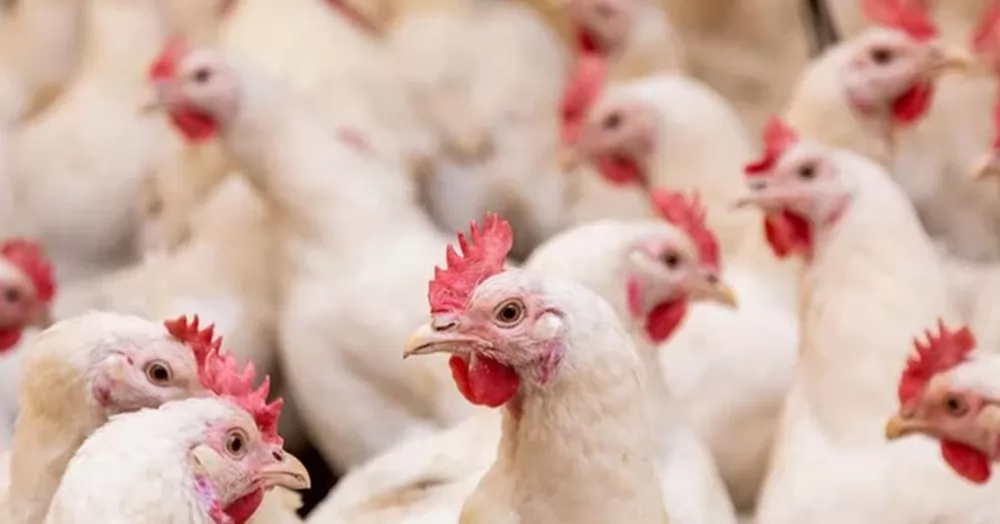

Worst ever UK outbreak of avian influenza declared over
The UK's poultry meat sector has welcomed the announcement that the UK had introduced self-declared zonal freedom from highly pathogenic avian influenza across Great Britain, in line with WOAH rules.
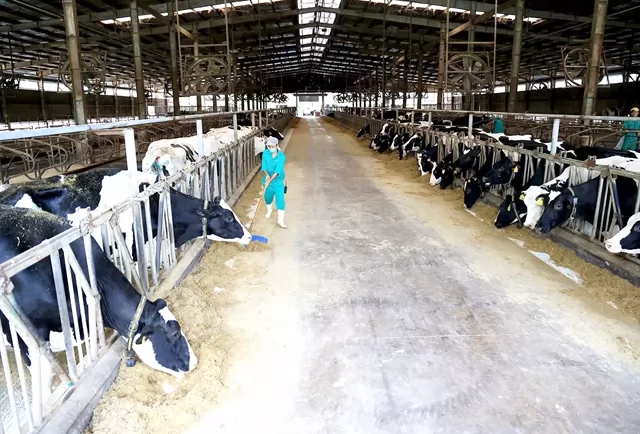
Tây Ninh Province developing more animal farms
The southeast province of Tây Ninh has gradually switched from breeding livestock on a small scale to farms.
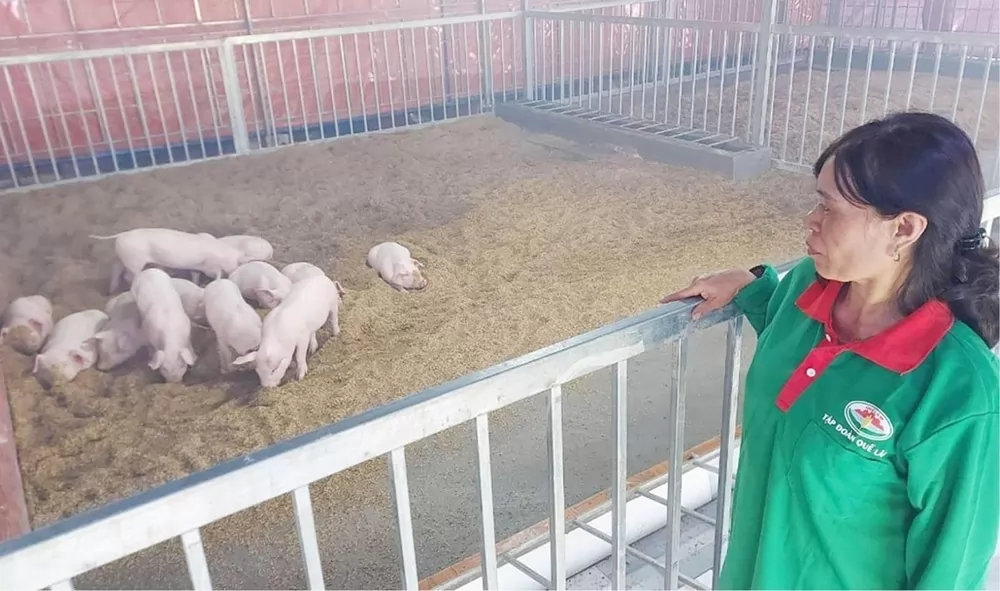

3 key product groups "pave the way" for investment in Hue
Hue is accelerating investment in agriculture and rural areas, centering on three key product groups: nation-level products, city-level products, and local specialties.