Vietnam's seafood exports down 10% due to coronavirus impact
Update: Jul 04, 2020 - 15:04 (GMT+7)


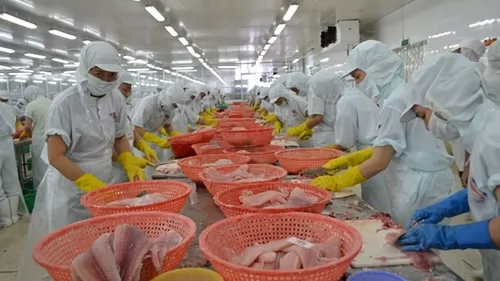
Seafood exporters are pinning their hopes on the EU-Vietnam Free Trade Agreement for the industry's recovery.
NDO - Vietnam exported US$3.5 billion worth of fishery products in the first half of 2020, down 10% compared to the same period last year as the coronavirus pandemic slashed demand for Vietnamese seafood.
Shark catfish saw the sharpest decline at 31%, followed by tuna, squid and octopus, whose revenues all went down by 20%, according to Vasep, an association representing seafood producers and exporters.
Shrimp was the only the seafood to record any growth, with a modest rise of almost 3%, as stated by the industry body.
It said the global seafood industry was severely hit by the coronavirus pandemic, with falling demand for fishery products causing a reduction of between 35 and 50% in orders.
The closure of restaurants and related services also trimmed the demand for seafood, leading to price decreases around the globe.
A breakdown of data shows Vietnam’s seafood exports to the EU witnessed the largest contraction at 35%, while shipments to the US and ASEAN fell by 6% and 17% respectively.
Exports to the Republic of Korea, China and Japan also shrank by 9%, 3% and 5% respectively.
Modest growth was seen in exports to the UK and Canada but such countries only account for a small proportion of Vietnam’s seafood exports.
Vasep predicted that the global market is unlikely to rebound in the next few months as the coronavirus situation remains complicated in many of Vietnam’s major markets such as the US and the EU.
In the meantime, regulators in China are also stepping up checks on Vietnamese shrimp and shark catfish.
But there are still positive signs as global retail revenue is stable or increasing for frozen, canned, salted and smoked seafood, which has a longer shelf life.
Vietnamese enterprises also have high expectations regarding the trade pact with the EU, which is set to take effect in August and will immediately eliminate tariffs on many seafood items.
Maybe you are interested
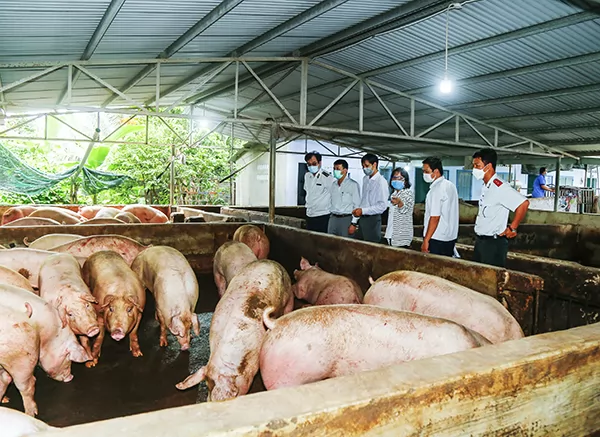

Developing breeding sustainably
At a recent meeting with Khanh Hoa Provincial People's Committee, Deputy Minister of Agriculture and Rural Development Phung Duc Tien assessed that breeding in Khanh Hoa...
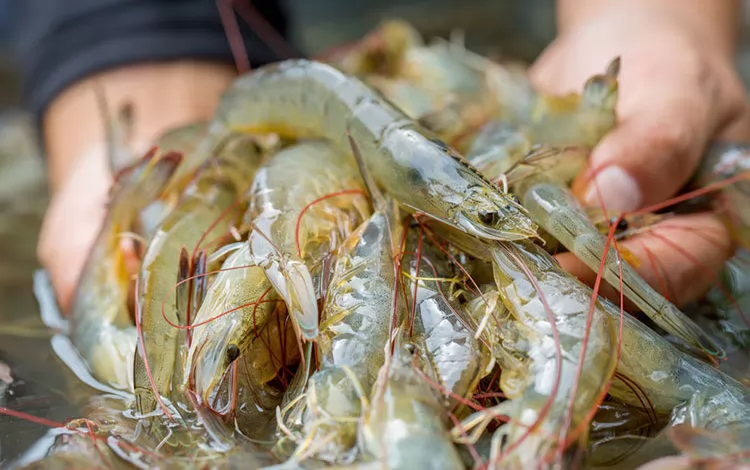
Shrimp sector mounts effort to rise in 2023
After setting a record of USD 4.3 billion worth in exports, the shrimp sector mounts an effort to remain the output and export value in 2023. However, with predicted difficulties in 2023...

High-tech mariculture: unlocking potential, overcoming challenges
Khanh Hoa Province is rapidly transitioning to high-tech marine aquaculture to adapt to climate change and enhance the value and output of its seafood.