War shakes up poultry supply chains across the Middle East
Update: Mar 28, 2026 - 21:55 (GMT+7)


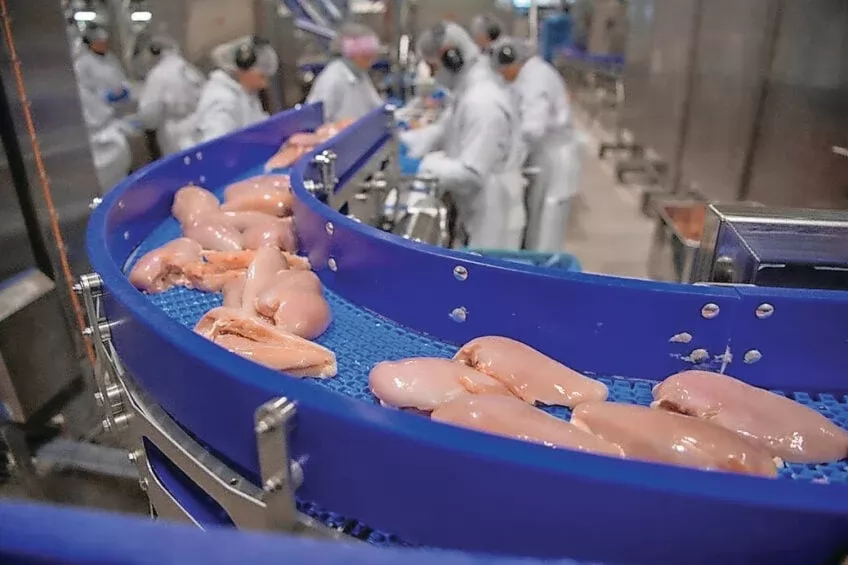
The Middle East is an attractive market for the poultry industry due to rapid population growth, government policies on food security, and rising chicken consumption per capita. Photo: Mark Pasveer.
(VAN) War has sent shockwaves through the Middle East’s poultry supply chain, disrupting trade routes and tightening access to essential inputs across a region that has become vital to global industry growth.
Poultry products are the primary protein source for consumers in the Middle East. The war is disrupting supply lines for the region, which is heavily dependent on imports, states RaboResearch, the knowledge centre of Rabobank. In particular, Brazil – as a major exporter – is expected to be most affected. European exporters are relatively less impacted.
The Middle East is an important region for the poultry sector. The region accounts for 8% of the global market and 15% of global trade takes place here. Furthermore, consumption and production are growing faster than in other parts of the world. According to a survey by RaboResearch, 10% of the increase in global production is occurring in the Middle East.
Poultry and feed supply disruptions
The conflict with Iran has now substantially disrupted several key supply lines. A large number of countries in the region depend on transport via the Persian Gulf and the now-blocked Strait of Hormuz. This poses a problem not only for major exporters of poultry products, such as Brazil, but also for the supply of feed and other necessities for local production. Provided they continue production, these local producers are expected to benefit from higher prices.
Chicken accounts for 55% of protein
The Middle East is an attractive market for the poultry industry due to rapid population growth, government policies on food security, and rising chicken consumption per capita. Poultry products are the primary source of protein for the population, accounting for 55% of protein intake, with an annual growth rate of 3%.
Massive growth in production and consumption
Over the past 20 years, both production and consumption have grown tremendously. Regional production has doubled since 2004 to over 7 million tonnes. Consumption has also doubled to roughly 9 million tonnes. As a result, there is a consistent import of around 2 million tonnes, just over 20% of total consumption, despite policies aimed at increasing self-sufficiency.
Saudi Arabia now meets 70% of its own needs; in 2016, this figure was 40%. The intention is to further increase self-sufficiency to 85%, positioning the country as the leader in the region.
Within this region, Turkey is the only net exporter of poultry products. The countries most vulnerable to the effects of the conflict are:
Iran
Kuwait
Oman
Iraq
Bahrain
The United Arab Emirates
These countries rely on the Strait of Hormuz for their supplies. Saudi Arabia is less dependent on transport through this bottleneck in the Persian Gulf and can also import via the Red Sea. The issue concerns primarily feed, but there are additional matters at stake. Local farms also require live breeding stock and technical equipment for poultry farms.
Brazil, the key exporter
Brazil is the main exporter to this region. The country exports 100,000 tonnes of poultry products per month to the Middle East, accounting for over one-third of Brazil’s overall poultry product exports.
Other exporters include Turkey, Russia, Ukraine, the US, and the EU. Russia and Ukraine, in particular, rely heavily on this market. For European exporters – especially France, which serves the region – the effects remain relatively limited. Nan-Dirk Mulder, RaboResearch analyst, anticipates robust European demand will offset the lost market share.
HD / (PW)
Maybe you are interested

Early nutrition research in poultry is speeding up
Shifting market dynamics and the noise around new legislation has propelled Trouw Nutrition's research around early life nutrition in poultry. Today, it continues to be a key area of research.
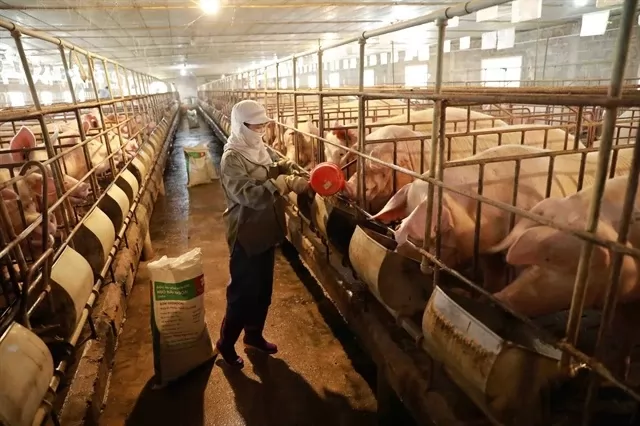
Large livestock businesses are likely to benefit from new regulations
Large livestock enterprises are expected to benefit greatly when the regulation on locations not permitted to run livestock farms takes effect from 2025.


Prevalence of Salmonella in UK eggs remains well controlled
(VAN) Long-term progress in the battle against Salmonella in laying hens has been confirmed in the latest annual publication by the UK government.