Brazilian poultry and egg sectors grow in 2024 and beyond
Update: Jan 11, 2025 - 13:37 (GMT+7)


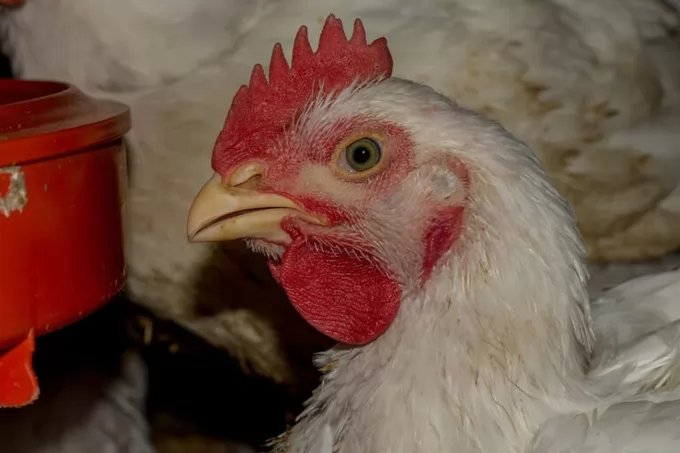
ABPA sees total production of up to 15 million tonnes of chicken meat in 2024, which is 1.1% higher than that recorded in 2023. Photo: Canva.
(VAN) Brazil’s poultry and pork sectors ended 2024 with new production records with further growth projected for 2025, according to data released by the Brazilian Animal Protein Association (ABPA).
For chicken meat, ABPA sees total production of up to 15 million tonnes in 2024, a number approximately 1.1% higher than that recorded in the same period last year, at 14.833 million tonnes.
Of the 2024 total, 9.7 million tonnes were destined for the domestic market, a volume almost equivalent to the total for 2023 (9.694 million tonnes). Per capita consumption is expected to be 45.6 kgs, which is 1.1% higher than that recorded last year (45.1 kgs). In the international market, chicken meat exports are expected to total 5.3 million tonnes in 2024, which is 3.1% higher than the volume shipped in 2023 (5.139 million tonnes).
Further growth in 2025
For 2025, the sector projects to produce up to 15.3 million tonnes (+2.7%), with availability of around 9.9 million tonnes (+2.1%), with per capita consumption at 46.6 kgs (+2.2%) and exports of up to 5.4 million tonnes (+1.9%).
“The Brazilian economic situation should maintain sustained levels of consumption in the domestic market, supported by the sector’s continued competitiveness. In the international scenario, new market openings are expected in Central America and African countries, in addition to increased shipments to other Latin American and Asian nations, which should increase the diversification of destinations for our products,” assesses ABPA president Ricardo Santin.
Egg sector
As for the egg sector, production in 2024 is expected to reach 57.6 billion units, which is 9.8% higher than the previous year (52.448 billion units). Per capita consumption will reach 269 units in 2024, which is 11.2% higher than the previous year (242 units). Egg exports are expected to reach 18,000 tonnes, 29.5% lower than last year (25,404 tonnes).
For 2025, the sector projects production of 59 billion units (+2.4%), with per capita consumption of up to 272 units (+1.1%) and shipments of 21,000 tonnes (+16.7%).
“There are optimistic expectations about the increase in egg consumption levels in Brazil, reaching levels never experienced before, which reinforces the consolidation of protein as a basic consumption item in the country. In the international market, the opening of the European bloc and United Kingdom markets for the product is expected next year, which should change the flow of exports to positive levels,” highlights the president of ABPA, Ricardo Santin.
H.D
Maybe you are interested


Measures for shrimp industry management are needed to standardize disease control processes
Diseases have had a great impact on the development of the shrimp industry. According to many businesses, it is necessary to move to the management stage with norms and standards.


Cargill announces a US$28 million animal nutrition plant in Đồng Nai on its 25th year operation in VN
HÀ NỘI — Cargill on Wednesday announced plans to expand its business in Việt Nam with a US$28 million investment in a new animal nutrition plant in Đồng Nai Province on the occasion of its 25th year of operation in Việt Nam.

War shakes up poultry supply chains across the Middle East
War has sent shockwaves through the Middle East's poultry supply chain, disrupting trade routes and tightening access to essential inputs across a region that has become vital to global industry growth.