Ca Mau upgrades agri and aquaculture logistics
Update: Apr 04, 2026 - 15:48 (GMT+7)


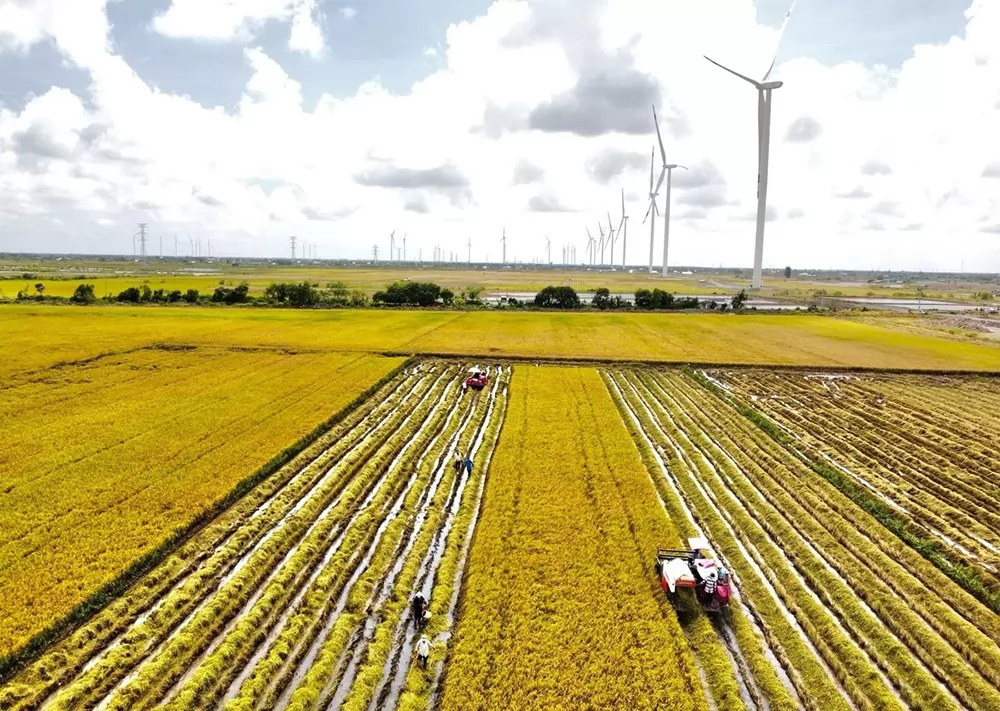
The Ca Mau Department of Agriculture and Environment has issued a logistics development plan for 2025-2035 with a vision to 2050. Photo: Trong Linh.
(VAN) The Department of Agriculture and Environment of Ca Mau Province has issued a plan to develop logistics services for the 2025-2035 period, with a vision to 2050, focusing on agriculture and environmental sectors.
The plan aims to operationalize targets, tasks, and solutions outlined in Plan No. 133/KH-UBND dated March 15, 2026, ensuring synchronized, consistent, and effective implementation. It also seeks to develop agricultural, aquaculture, and environmental logistics in a modern and professional direction, reducing intermediary costs while enhancing added value and competitiveness of key products.
The overarching goal is to position logistics as a critical link in the value chain, from production and harvesting to preservation, processing, and distribution, thereby contributing to sustainable agricultural development, climate adaptation, and deeper integration into domestic and international markets.
By 2035, Ca Mau aims for at least 40% of agricultural and aquaculture cooperatives and enterprises to adopt logistics solutions or appropriate supply chain management practices. The province also plans to gradually establish cold storage systems, preservation and pre-processing facilities in concentrated production areas and fishing ports. In addition, it will develop one to two pilot logistics models linked to digital transformation, traceability, or green logistics, while maintaining annual training and capacity-building programs.
Looking ahead to 2050, the sector’s logistics system is expected to be fully integrated, modernized, and widely equipped with digital technologies and green solutions.
Currently, Ca Mau has the largest aquaculture area in Viet Nam, with more than 420,000 hectares.
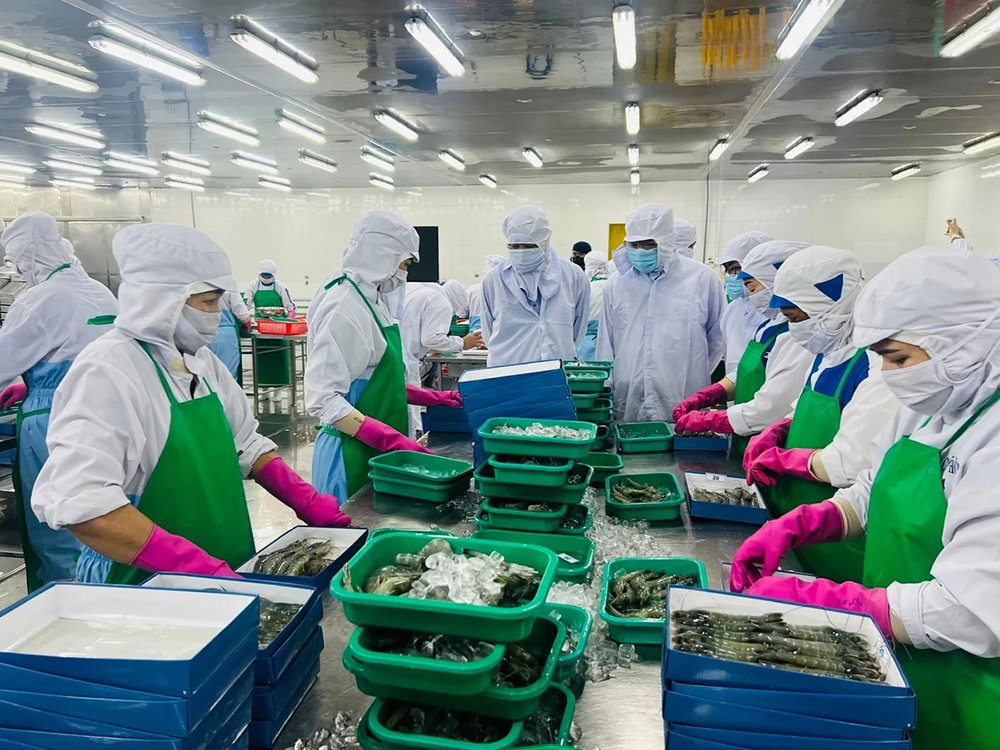
Ca Mau currently has the largest aquaculture area in Vietnam, exceeding 420,000 hectares. Photo: Trong Linh.
To achieve these targets, the plan outlines key groups of tasks and solutions, including improving mechanisms and policies, planning and developing logistics infrastructure, expanding agricultural and aquaculture logistics markets, and accelerating innovation, digital transformation, green transition, and human resource development.
The province will prioritize developing cold storage systems and post-harvest preservation and processing facilities for agricultural and aquatic products. It will also seek to attract investment in large-scale aquaculture logistics centers linked to key production zones, strengthen trade promotion, and enhance market connectivity. The application of science, technology, and digital transformation in supply chain management will be expanded, alongside the gradual development of a logistics database and digital ecosystem for the sector.
To Hoai Phuong, Director of the Ca Mau Department of Agriculture and Environment, said the plan marks an important step in addressing bottlenecks in transportation, preservation, and consumption of local agricultural and aquatic products. In the coming period, the department will work closely with relevant agencies, localities, and businesses to effectively implement the proposed tasks and solutions, while promoting investment in logistics infrastructure, particularly cold storage systems and aquaculture logistics centers.
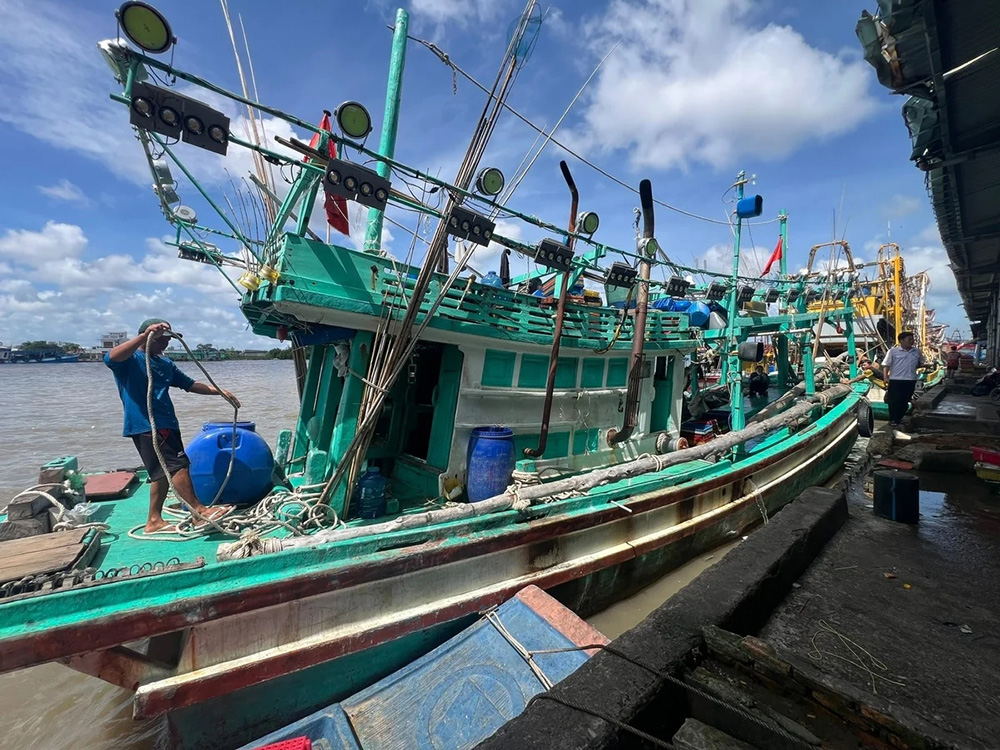
The province is gradually developing cold storage, preservation, and pre-processing facilities in concentrated production areas and fishing ports. Photo: Trong Linh.
Provincial officials emphasized that logistics development not only helps reduce production costs but also improves product quality and value, expands market access, especially export markets, and plays a vital role in restructuring the agricultural sector toward a modern, sustainable, and climate-resilient model.
The plan has been designed in alignment with the functions and responsibilities of the agriculture and environment sector, while ensuring integration with related programs, projects, and initiatives, contributing to the province’s broader goal of modern and sustainable agricultural development.
Author: Trong Linh
Translated by Linh Linh
Maybe you are interested
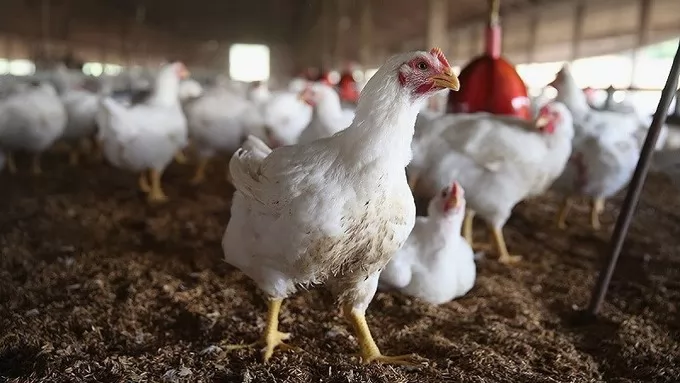
Responding to intercontinental spread of HPAI avian influenza virus strain
The strategy for prevention and control of highly pathogenic avian influenza (HPAI) in the 2024-2033 period aims to respond to the intercontinental spread of circulating HPAI virus strains.
As eel market falls, farmers race to adapt
Falling eel prices have left farmers in Vi Thuy commune facing losses and large unsold volumes, prompting authorities to seek long-term solutions.
“Breeding cows'' for poor families in remote area
PANO - Ea Rot village in Cu Pui commune of Krong Bong district, Dak Lak province has 192 households with a population of 1,028 persons, of whom 99% are H'mong ethnic people.