Farmers in southwest France express growing concern over the ongoing heatwave
Update: Sep 13, 2025 - 13:18 (GMT+7)


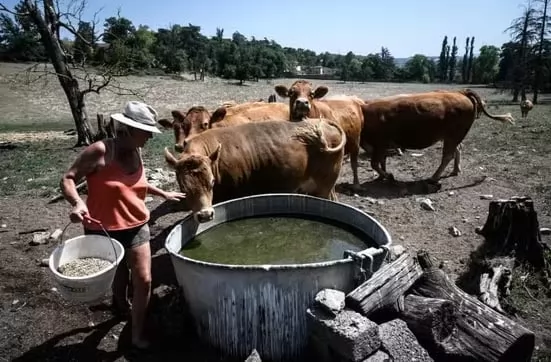
A farmer tends to Limousin cows grazing near a farm in Brignais on August 12, 2025. JEAN-PHILIPPE KSIAZEK / AFP.
(VAN) Orchardists, winegrowers and livestock farmers fear the negative impact of the current heatwave on their production.
At Nicole Leroux's vegetable farm in the southwestern French village of Cendrieux, the 35 employees only harvest strawberries in the morning, from 7 am to 1 pm. "The thermometer hit 40°C on Monday, August 11, and the weather forecast calls for temperatures between 35°C and 38°C for about two weeks," Leroux said. She has tried to minimize the impact of the intense heatwave on the plants by "ventilating the greenhouses as much as possible and putting sun protection nets on the roofs."
The same restricted morning hours apply to the tomato greenhouses of Frédéric Marchesin, a producer in the village of Puch-d'Agenais, further south. He explained that working conditions improve when the greenhouses are larger and taller, with a greater air volume. This design also benefits the plants during a heatwave. However, the price difference for such structures is significant and affects the profitability of farms. Moreover, according to Marchesin, "foreign competition penalizes tomato producers' economic activity even more than the heat."
For several days, farmers across southwest France have anxiously watched the thermometer, hoping the extreme heat of August will not last. "I'm terrified of an irrigation failure and the plants not getting enough water. The trees are under water stress," said Daniel Sauvaitre, an orchardist and winegrower in Reignac. In his irrigated apple orchard, the first pickers were hard at work. The apple harvest had begun in France, starting with the reine des reinettes and gala
H.D
lemonde
Maybe you are interested
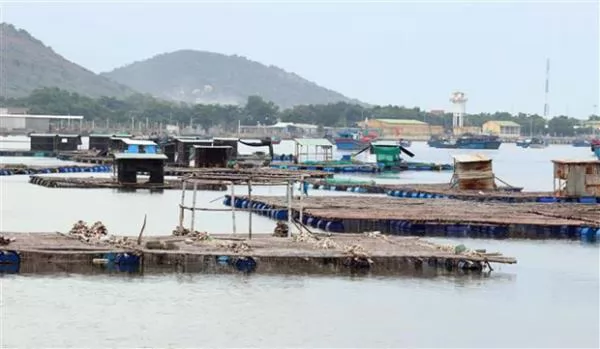
Ninh Thuận improves marine aquaculture efficiency
NINH THUẬN — The south-central province of Ninh Thuận plans to expand marine aquaculture models that are efficient and provide high incomes to farmers, according to its Fisheries Sub-department.
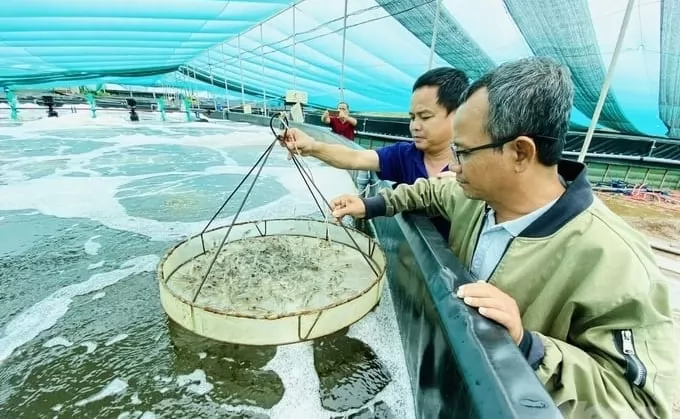
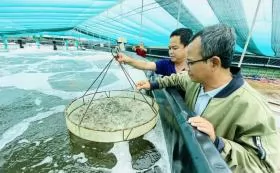
Shrimp industry is expected to earn more US$ 4 billion
Department of Fisheries (Ministry of Agriculture and Rural Development) in conjunction with Directorate of Fisheries, organized a forum on solutions to develop Vietnam's shrimp industry in a sustainable manner.
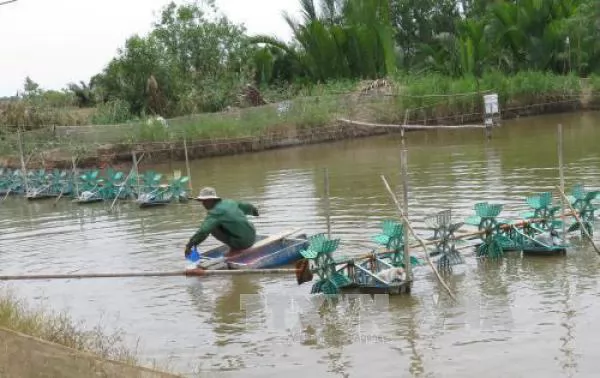
Mekong Delta province says full steam ahead on aquaculture
TIỀN GIANG - The Cửu Long (Mekong) Delta province of Tiền Giang is focusing on developing aquaculture and seeking investment in the sector.