Laying Hen Welfare Forum launches white bird feedback survey
Update: Mar 01, 2025 - 14:42 (GMT+7)


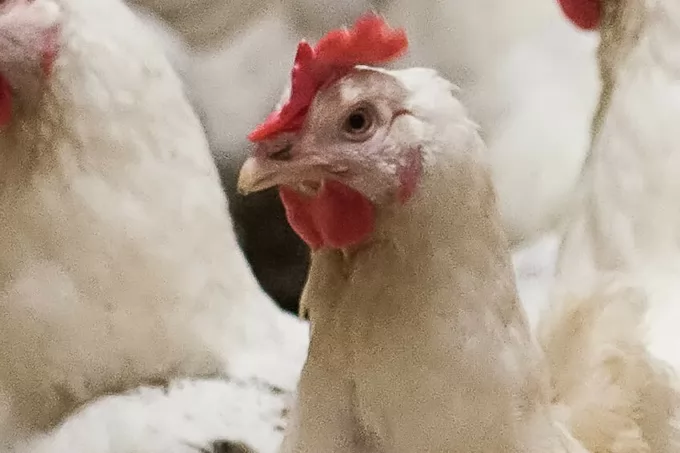
The insight gathered from a survey will highlight the benefits and challenges of managing whiter laying breeds. Photo: Ronald Hissink.
(VAN) The UK’s Laying Hen Welfare Forum has launched a survey to establish the sector’s experiences in rearing and managing white bird commercial layers.
The survey aims to explore the perceptions and experiences of pullet rearers and egg producers in rearing and managing white laying flocks.
Recent reports from poultry veterinary specialists Crowshall Veterinary Services suggest that commercial white egg laying birds are efficient, docile and capable of laying up to 500 eggs in 100 weeks. They have demonstrated very good production persistency and shell quality in extended production cycles and the ability to thrive in alternative housing systems.
Easily managed breed for today’s animal welfare standards
Vets Philip Hammond and Katerina Theakou said: “Their temperament and docile behaviour make them an easily managed breed for today’s animal welfare standards. By way of an example on strain of white egg laying bird participated in the 16th random sample test of layer hybrids cage-free housing systems in Germany and showed the best ranking on all 4 welfare parameters with better feather coverage, lower prevalence of toe conditions and lesions and less keel bone damage, while also having the lowest cumulative mortality levels.”
They continued: “Their liveability is approximately 94% at 80 weeks and 93% at 100 weeks. Producers who have experience with other breeds or keep various breeds on their farms have reported that white egg laying hens appear to show better disease resistance and are described as a more robust bird.”
The vets added that when it comes to grading of white eggs, they cannot go pale in the event of “sunshine syndrome” seen in brown laying hens, while they are also less susceptible to shell quality and appearance changes due to diseases such as worm infection, MS, ORT, IBV and TRT.
Enhance our understanding of management
The insight gathered will highlight the benefits and challenges of managing these flocks and contribute to a broader review of whiter laying breeds. The study seeks to enhance understanding of their management within the UK to improve bird welfare and management of the growing sector.
The Laying Hen Welfare Forum said the results will contribute to a larger systematic review of scientific literature and a summary of the findings would be shared with participants, who would remain anonymous.
It added that participation would contribute to:
· Advancing wider industry knowledge
· Understanding of the management of white layers
· Improvements for their own business and others
The Layng Hen Welfare Forum brings together expertise from industry, farmers, vets, animal welfare organisations and government to explore how the industry can improve flock management and reduce injurious pecking among laying hens.
HD
(PW)
Maybe you are interested


Russia says it has delivered 200,000 tons of grain to African countries
The Russian Ministry of Agriculture said Tuesday it had shipped 200,000 tons of grain in humanitarian aid to six African nations, fulfilling the Kremlin's pledge to the continent last July.


Caged-sturgeon breeding brings high incomes to mountainous farmers
LÀO CAI — Breeding cold-water sturgeon in cages has brought a stable source of income for poor farmers in the northern mountainous province of Lào Cai.


Support chicken breeds for farmers in Nghia Do commune
On the afternoon of July 27, Tiem Anh chicken farm (Xuan Hoa commune - Lao Cai) organized the program "Livelihood Support for Members of the Farmers' Association of Nghia Do commune"...