Việt Nam imports pigs from Thailand
Update: Jun 06, 2020 - 14:23 (GMT+7)


HÀ NỘI — Việt Nam has imported 250 pigs from Thailand to breed and is encouraging businesses to import more to help restock herds across the country after the impacts of the African swine fever outbreak.
Deputy Minister of Agriculture and Rural Development Phùng Đức Tiến said this was the first shipment of 20,000 pigs to have been imported from Thailand this year. “These pigs should produce piglets at the end of this year.”
Tiến said that domestic piglet prices were currently very high, from VNĐ2.8 million to more than VNĐ3 million each, however many localities had failed to meet farmers’ demands.
Phạm Trần Sum, director of Việt Đức International Nutrition Company Limited, said the company faced many difficulties transporting pigs from Thailand due to the impacts of the COVID-19 pandemic. Shipments had to go through the borders of Thailand, Laos and Việt Nam.
“In each country, we must use our own vehicles to transport the pigs, causing transportation costs to rise up to VNĐ2 million per pig,” Sum said.
The price of imported pigs is ranging from VNĐ13-15 million.
Sum said his company planned to sell piglets for more than VNĐ2 million each, marking a drop of about 30 per cent compared with the current piglet prices in the domestic market.
Deputy Minister Tiến said businesses had registered to import more than 110,000 pigs to breed this year to ensure sufficient stocks from 2020-24. — VNS
Maybe you are interested
India: Antibiotics in poultry is a growing concern
The inability of poultry breeding companies to prevent chicks from being infected with a bacteria is forcing producers to turn to antibiotics at an early stage.
Vietnam successfully clones endangered pig breed
For the first time, Vietnam has successfully cloned the endangered Vietnamese Pot-bellied pigs using a somatic cell cloning technique.
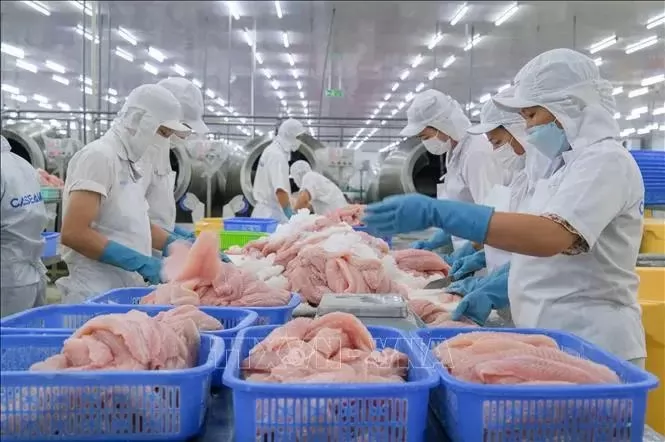
Tra fish sector aiming for production, processing greening for sustainable development
Greening production and processing to meet export requirements is both a trend and a necessity for many industries, including the tra fish sector.